Background
Late October saw a sudden pause in Canada–U.S. trade talks after a high-profile advertising campaign paid for by Ontario used archival remarks critical of tariffs. The ad was launched as a response to escalating U.S. tariff threats on key Ontario industries — particularly automotive and steel — with Premier Doug Ford arguing it was necessary to defend provincial jobs and pressure U.S. decision-makers to reconsider protectionist measures. The campaign, however, prompted a sharp response from U.S. leadership and an immediate halt to formal negotiations while channels of diplomacy worked to calm tensions. For context and official summaries of Canada–U.S. engagement, see Global Affairs Canada’s overview of bilateral work.
international.canada.ca
lop.parl.ca
Outcome: Talks Not Yet Revived
The immediate result was U.S. President Donald Trump’s decision to terminate all trade talks with Canada, blaming the ad, and threatening an additional 10 per cent tariff on Canadian goods. The talks are “not yet revived,” according to Prime Minister Mark Carney as of early November. This is no longer a temporary suspension but a full termination, though diplomatic channels continue to seek a path to restart formal negotiations. The Prime Minister’s latest update indicates that while Canada expects talks to resume “at some point,” no date has been set. The U.S. has yet to implement the new 10% tariff threat. For historical context on U.S. tariff actions, see the U.S. Trade Representative (USTR) archive.
Premier Doug Ford’s Reaction
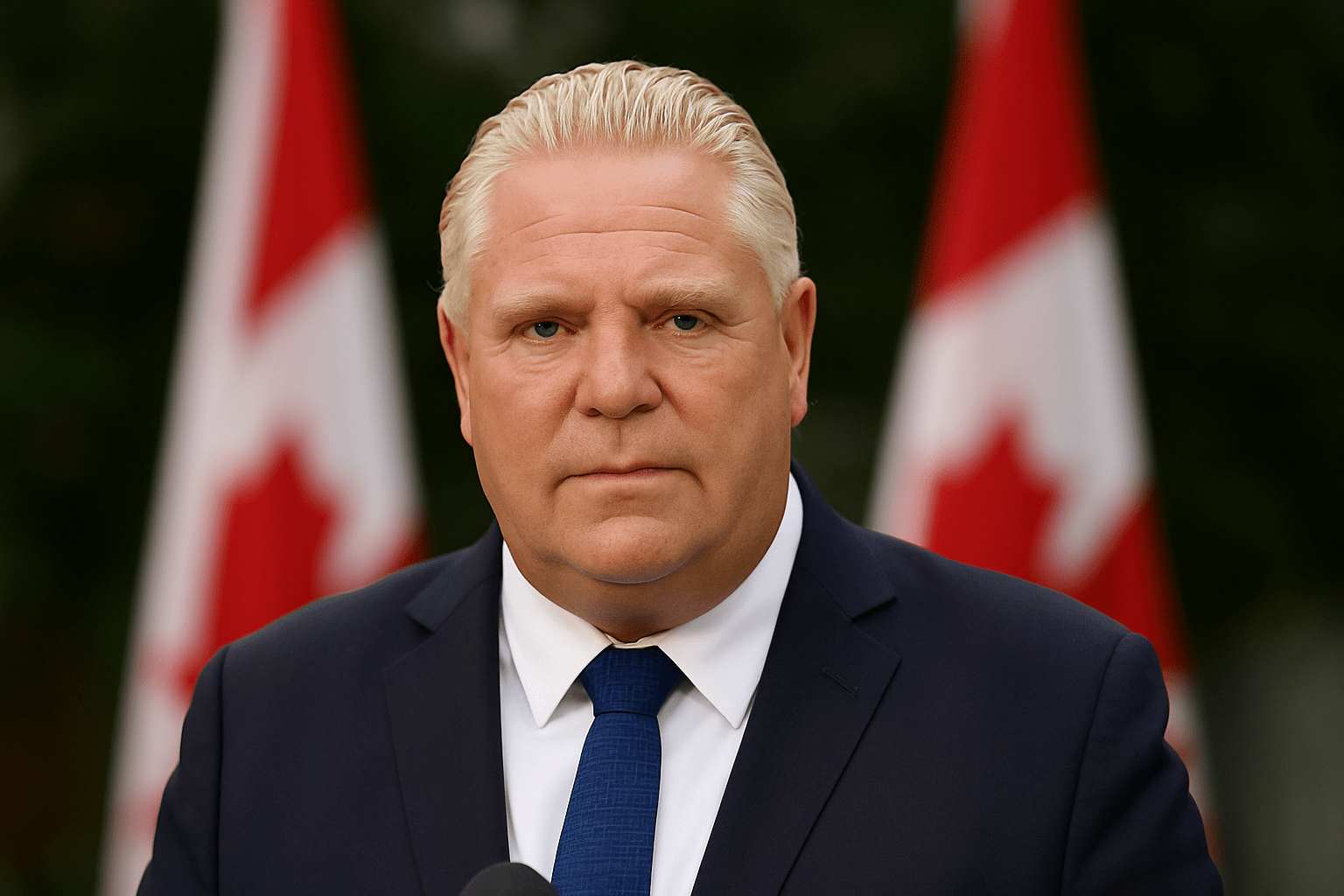
Ontario’s Premier defended the $75 million ad as “very effective” and a success, claiming it generated significant attention in the U.S. He initially refused requests to pull the ad, allowing it to run through the World Series, but later announced a pause in the ad run after calls with federal leaders. Premier Ford publicly maintained that his goal was to protect Ontario jobs and that he would “never apologize” for the ad, even as he conceded that trade negotiations ultimately fall on the federal government. For reference, Ontario government communications and media briefings can be found on the official newsroom.
Prime Minister Mark Carney’s Reaction
The Prime Minister emphasized steady, constructive diplomacy and confirmed that he had apologized to President Trump at the Asia-Pacific Economic Cooperation (APEC) summit because the U.S. President was “offended” by the ad. Carney also stated that he had previously advised Premier Ford not to run the commercial, underscoring that foreign relations are the federal government’s responsibility. Carney continues to press the U.S. to re-open formal talks, noting that negotiations had been “making progress” on sectors like steel and aluminum before the ad ran. Official APEC documentation and event summaries can be found online.
Americans’ Reaction
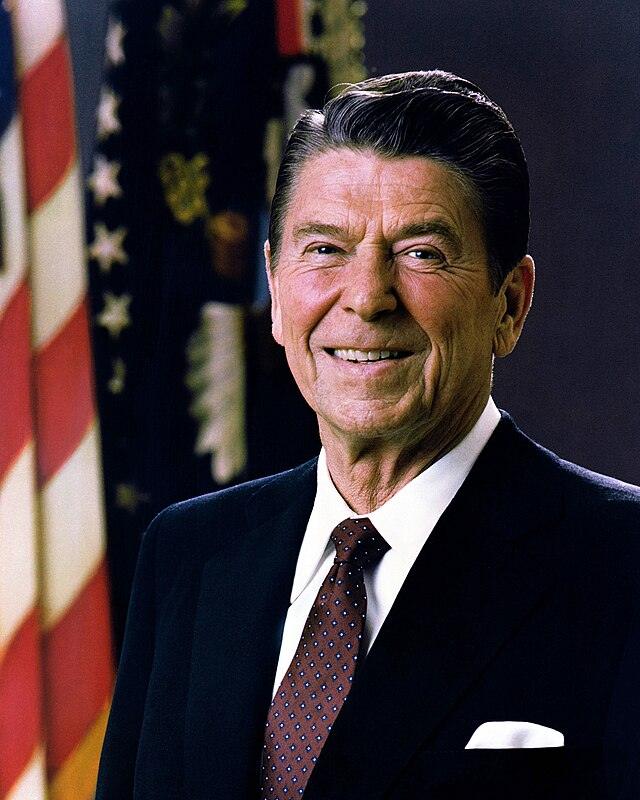
Reactions in the U.S. were strongly critical of the ad’s diplomatic impact, though some analysts suggested its use of Ronald Reagan’s words was effective in highlighting the tariff debate. U.S. Treasury Secretary Scott Bessent publicly denounced the ad, stating that the campaign amounted to “interference in U.S. sovereign matters.” Meanwhile, former U.S. National Security Advisor John Bolton characterized Prime Minister Carney’s apology as a “mistake,” arguing that it “showed weakness” in negotiations and would remain “in Trump’s consciousness” going forward. Bolton’s public commentary can be found through his media archive, while U.S. Treasury press materials can be accessed online. For broader independent analysis, see the Brookings Institution’s trade commentary.
johnbolton.com
home.treasury.gov
brookings.edu
Economic Impact (Estimate)
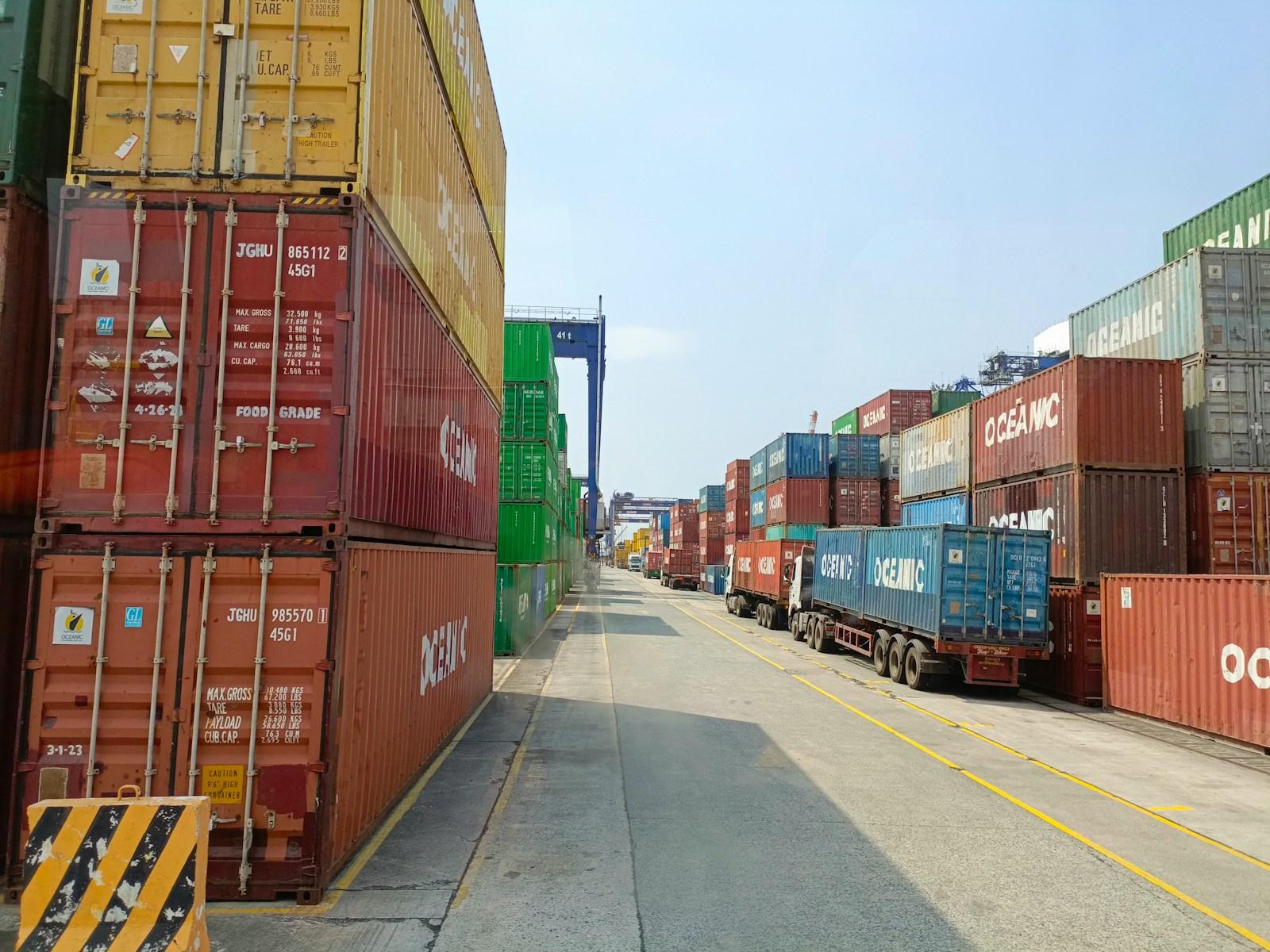
The new threat of an additional 10% tariff on Canadian imports adds significant financial risk. Early conservative estimates from industry analysts suggest a temporary risk to supply-chain investments and hiring in affected sectors; for planning purposes we flag a potential near-term impact of ~2,000 jobs at risk and up to CAD $1,000,000,000 in delayed economic activity while talks are paused. For economic modelling on tariff effects, see the Bank of Canada’s research publications and the Canadian Chamber of Commerce’s reports.