
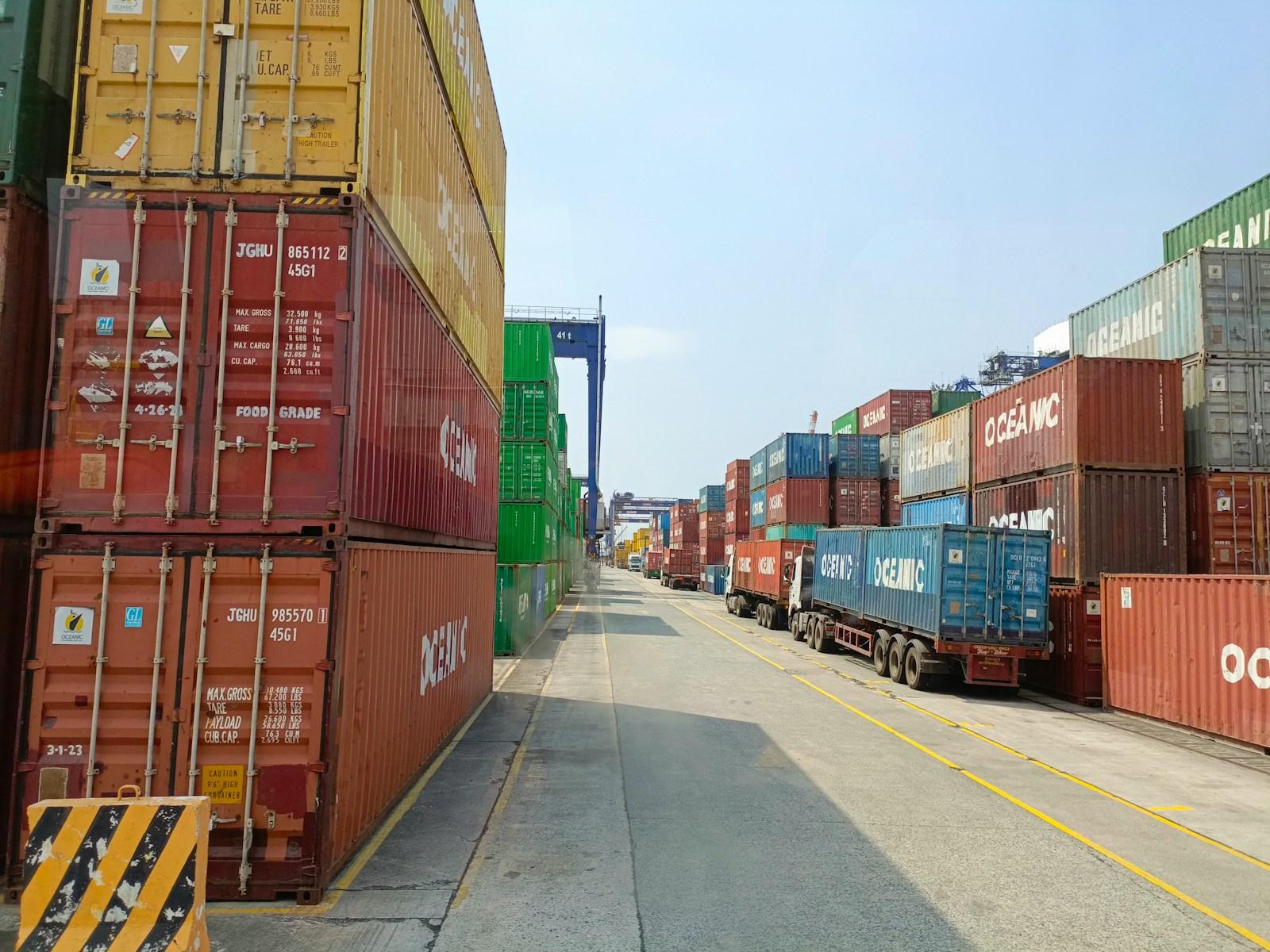
It’s a bizarre truth: for a Canadian business, it is often easier and cheaper to sell goods to the United States than to a neighbouring province. This is the core issue of Canada’s infamous interprovincial trade barriers—a costly web of different regulations, product standards, and licensing rules that have persisted for decades.
Why were these walls built in the first place?
The barriers were generally not introduced with nefarious motives; instead, they emerged as a natural consequence of Canada’s decentralized federal system, which grants provinces significant authority over matters like health, safety, and trade within their borders. In 1879, the National Policy was the first major federal initiative to introduce protective tariffs, encouraging local manufacturing and promoting interprovincial trade. The original purpose and political incentive for creating them fall into a few key categories:
- Protecting Local Industries: Many regulations, particularly in areas such as government procurement and liquor sales (through liquor boards), were established to favour local suppliers, protect provincial jobs, and ensure a revenue stream for the provincial government (Business Council of Alberta).
- Regulatory Autonomy: Provinces simply enacted rules and technical standards—for everything from food safety to occupational health (e.g., a plumber’s licence or trucking dimensions)—that they believed were best for their citizens and businesses. The lack of a strong, singular federal mandate for harmonization meant these differences became obstacles over time (CityNews Halifax).
- Revenue Generation: For goods like alcohol, provincial liquor boards maintain control over imports and sales, which is an intentional, prohibitive barrier that directly supports provincial coffers (Business Council of Alberta). This long-standing issue was even flagged in the 1940 Royal Commission on Dominion-Provincial Relations (CityNews Halifax).
How will this benefit Canada in jobs and revenue gains?
The economic consensus is that these non-tariff barriers, which function as an average tariff-equivalent of 6.9% on interprovincial goods, impose a massive drag on the economy (International Monetary Fund). Removing them would create a single, larger, and more competitive domestic market, delivering enormous returns:
| Economic Benefit | Estimated Gain | Source |
| GDP Increase | Up to $200 billion annually, or up to 7% of GDP | Canada.ca |
| Productivity Boost | Up to 4% increase in GDP per capita | International Monetary Fund |
| Wages and Investment | Average wages could rise by 5.5%, and investment by 7% | Business Council of Alberta / BC Chamber of Commerce |
The gains would be realized through:
- Job Creation & Labour Mobility: Workers, from nurses to skilled tradespeople, could move immediately to where jobs are without time-consuming, expensive re-certification processes, helping to address chronic labour shortages (CFIB).
- Lower Consumer Prices: Increased competition and the removal of compliance costs would reduce prices on goods by an estimated 7% to 15% (Scotiabank).
- Business Growth: Businesses could finally achieve greater economies of scale, leading to increased investment and greater tax revenue for governments (Business Council of Alberta).

The road ahead: overcoming the final hurdles
The federal government has recently committed to removing all remaining federal exceptions from the Canadian Free Trade Agreement (CFTA) (Canada.ca). More significantly, provinces are now embracing Mutual Recognition, where a good or credential accepted in one province is automatically accepted in others. This political momentum, spurred by external trade threats, is the strongest yet, creating a true path to a more integrated, resilient domestic economy (First Ministers’ Statement).