Introduction: A Budget Built for a Turning Point
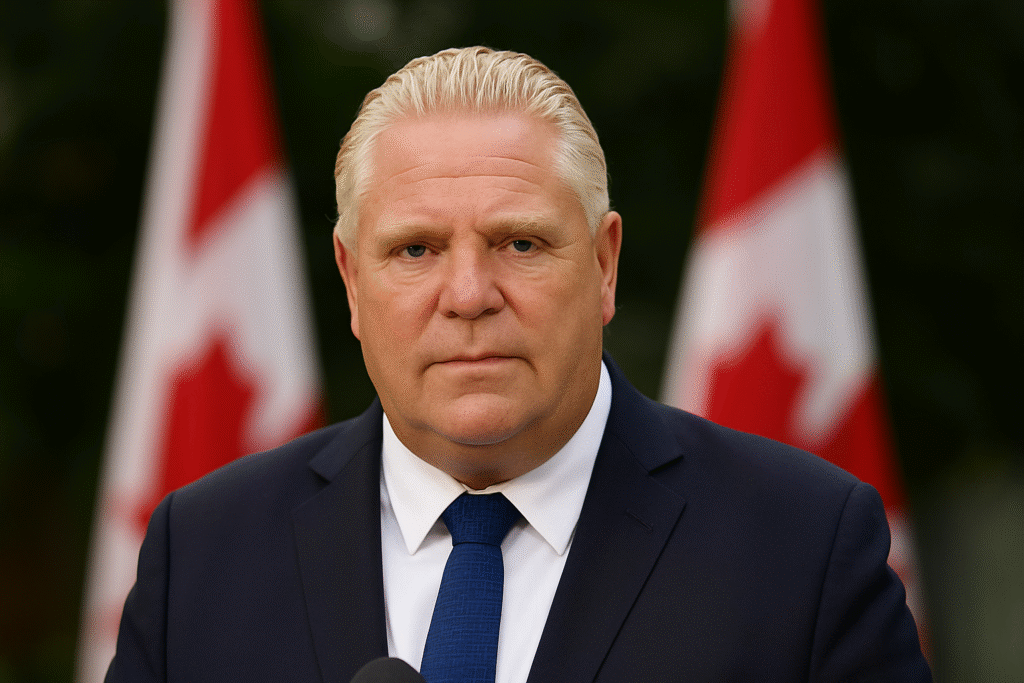
Mark Carney’s first federal budget arrived at a moment when Canadians were looking for clarity in an uncertain global economy. With U.S. trade frictions escalating and domestic productivity lagging, the 2025 budget — officially branded “Canada Strong” — set out to refocus federal spending on investments that build growth rather than bureaucracy as outlined in the 2025 federal budget overview.
Finance Minister François-Philippe Champagne underscored this shift, saying the government aims to “empower Canadians with lower costs and new opportunities” as part of its legislative rollout of Budget 2025 in legislation to implement Budget 2025.
How the Budget Supports the Economy and Jobs
Deep Investment in Canadian Infrastructure
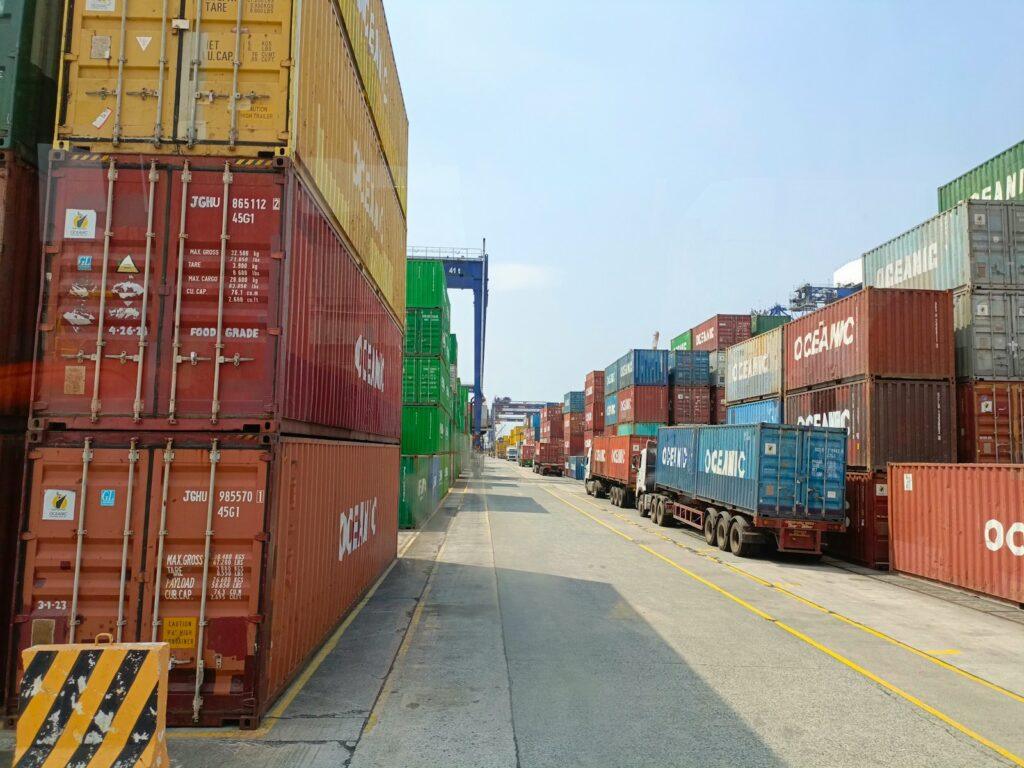
A central pillar of the budget is large-scale public investment designed to stimulate jobs, productivity and long-term competitiveness. The plan pairs infrastructure spending with a reinforced “Buy Canadian” policy, ensuring federal projects prioritize Canadian steel, Canadian suppliers and Canadian labour as detailed in the Prime Minister’s announcement of Buy Canadian measures. This approach aims not just to build roads, transit and energy corridors, but to tie them directly to job creation. The government stresses that strengthening physical infrastructure is foundational to competing globally — especially as global trade realigns.
Boosting Business Productivity and Innovation
The budget allocates major support for capital investment and productivity tools that Canadian firms have historically under-invested in. The Ontario Chamber of Commerce noted that more than $110 billion in productivity-oriented measures are proposed over five years, targeting capital upgrades, advanced manufacturing and modernization in its analysis of the 2025 federal budget. A competitive tax environment for investment is part of the plan. Lower marginal effective tax rates are meant to encourage companies to hire more workers, adopt new technologies and scale globally from Canadian soil.
Projections: Growth, jobs and government revenue
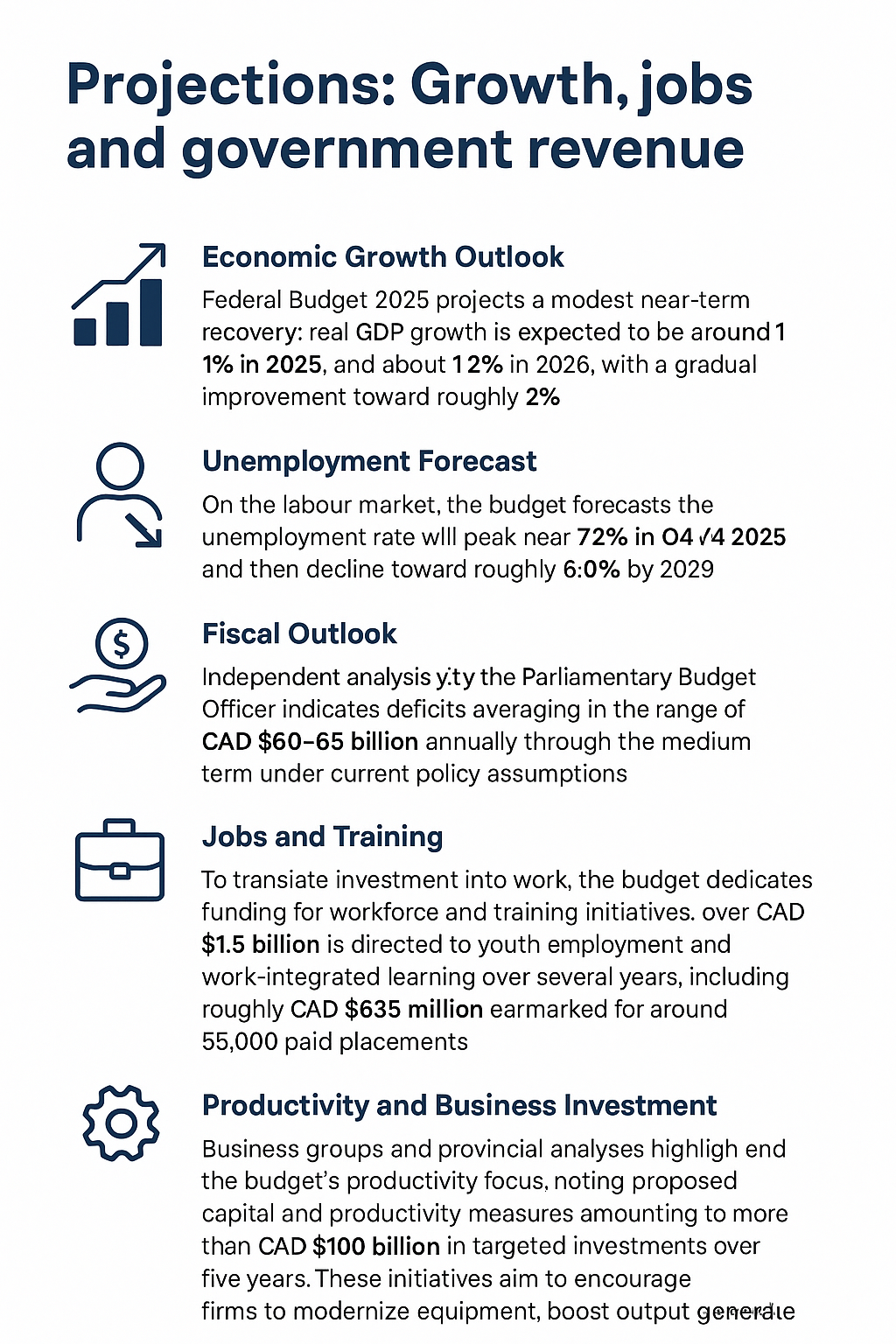
Economic Growth Outlook
The federal Budget 2025 projects a modest near-term recovery: real GDP growth is expected to be around 1.1% in 2025 and about 1.2% in 2026, with a gradual improvement toward roughly 2% by 2027 according to the budget’s economic overview.
Unemployment Forecast
On the labour market, the budget forecasts the unemployment rate will peak near 7.2% in Q4 2025, average close to 7.0% for the year, and then decline toward roughly 6.0% by 2029 as outlined in the labour market projections.
Fiscal Outlook
In fiscal terms, independent analysis by the Parliamentary Budget Officer indicates deficits averaging in the range of CAD $60–65 billion annually through the medium term under current policy assumptions, reflecting the government’s combination of targeted investment and ongoing program spending as presented in the PBO’s assessment of Budget 2025.
Jobs and Training
To translate investment into work, the budget dedicates funding for workforce and training initiatives: over CAD $1.5 billion is directed to youth employment and work-integrated learning over several years, including roughly CAD $635 million earmarked for around 55,000 paid placements according to reporting on youth training investments.
Productivity and Business Investment
Business groups and provincial analyses highlight the budget’s productivity focus, noting proposed capital and productivity measures amounting to more than CAD $100 billion in targeted investments over five years. These initiatives aim to encourage firms to modernize equipment, boost output and generate higher-quality jobs as highlighted in the Ontario Chamber of Commerce productivity briefing.
Summary
Taken together, these projections illustrate a government expecting slow near-term growth but positioning the economy for stronger employment and improved productivity as investments materialize and private-sector activity responds according to the 2025 economic outlook.
Building Resilience in a Volatile World
Another clear theme is the drive for resilience. With global supply chains still fragile, the budget emphasizes national self-reliance and domestic procurement. The government frames its philosophy as “spending less but investing more,” aiming to reduce inefficiencies in government operations while accelerating strategic investments as noted in the Budget 2025 implementation announcement. This shift is intended to protect Canadian workers from economic shocks and ensure the country is less vulnerable to disruptions abroad.
How Canadians Are Reacting
Reaction to Carney’s budget has ranged from hopeful to cautious. Many business organizations have praised the strong focus on productivity, recognizing it as an overdue step toward narrowing Canada’s competitiveness gap. At the same time, the research community expressed relief that major science funding agencies avoided deep cuts, as reported by Nature, which described the budget as less severe for research than expected in its analysis of science impacts.
Labour organizations, while supportive of infrastructure investment, have stressed the need for equitable job creation. The Canadian Labour Congress encouraged the government to ensure that investments translate into real opportunities for working families and stronger public services in its response to Budget 2025.
The political response in Parliament reflected the nation’s divided expectations. The budget narrowly passed its key motion by a vote of 170–168 — a sign that Canadians are watching closely and expect accountability on spending and outcomes as reported by Reuters.
What Canadians Want to See Next
Across the country, the biggest questions are practical: Will job creation be visible? Will productivity gains materialize quickly enough to ease economic pressure? Will local communities feel the benefits, not just big-city commercial hubs?
Canadians want a budget that touches their daily lives — a new job at a factory receiving capital upgrades, the construction of an overdue transit corridor, or a small business expanding because of targeted federal incentives.
A Budget Betting on Canada’s Future
Carney’s 2025 budget represents a decisive pivot toward investment-driven growth. It signals confidence that Canada’s economic challenges can be met through modernization, large-scale infrastructure projects and a renewed commitment to domestic industry.
Whether it becomes a turning point depends on execution. Canadians are eager for real, tangible progress — not just announcements. But with its focus on productivity, jobs and resilience, this budget may mark the beginning of a new economic chapter where Canada positions itself not on the sidelines of global change, but at the forefront of it.