

Why Earth Day Matters More Than Ever in Canada

Every year on April 22, Earth Day brings Canadians together around a shared idea: protecting the environment we depend on. In a country known for its vast forests, freshwater systems, and natural beauty, the stakes feel especially real. From wildfires in the West to melting Arctic ice, climate change is no longer abstract — it’s visible and immediate.
Earth Day in Canada isn’t just symbolic. It has become a moment for action, education, and accountability. Schools, businesses, and governments use the day to highlight progress and push for more ambitious environmental goals.
The Big Picture: What Earth Day Is All About
Earth Day started in 1970 as a grassroots movement focused on environmental awareness. Today, it has evolved into a global event observed in more than 190 countries. In Canada, the day is coordinated in part by organizations like Earth Day Canada, which runs campaigns, educational programs, and community initiatives year-round.
The core focus remains simple but powerful: reducing environmental harm while building a more sustainable economy. That includes cutting emissions, protecting biodiversity, and shifting toward cleaner energy sources.
At a national level, Canada has committed to reaching net-zero emissions by 2050, supported by policies outlined on Canada’s climate plan. While some agreements remain early-stage, the direction is clear — sustainability is becoming central to economic strategy.
Education and Youth Engagement
Schools across Canada use Earth Day to teach students about sustainability. Programs supported by Earth Day Canada’s education initiatives reach hundreds of thousands of students each year, focusing on climate literacy and environmental responsibility.
This emphasis on youth is strategic. Younger generations are expected to drive long-term behavioural and policy changes, making education a key part of Canada’s environmental approach.
Corporate and Government Initiatives
Businesses and public institutions also use Earth Day to announce new sustainability commitments. This can include investments in renewable energy, waste reduction programs, or greener supply chains.
Government agencies often highlight funding programs and infrastructure investments through portals like Canada’s sustainability initiatives page, reinforcing how environmental policy ties into economic growth.
How Canadians Celebrate and Participate in Earth Day
Across the country, Earth Day is marked by a mix of local action and community-driven events that make it easy for people to get involved. From large cities to smaller towns, Canadians take part in activities that focus on restoring the environment while building stronger, more connected communities.
One of the most common ways to participate is through local cleanups, where volunteers gather to remove litter from parks, shorelines, and neighbourhood streets. Many of these events are organized through the Earth Day Canada events calendar, which helps people find opportunities happening nearby.
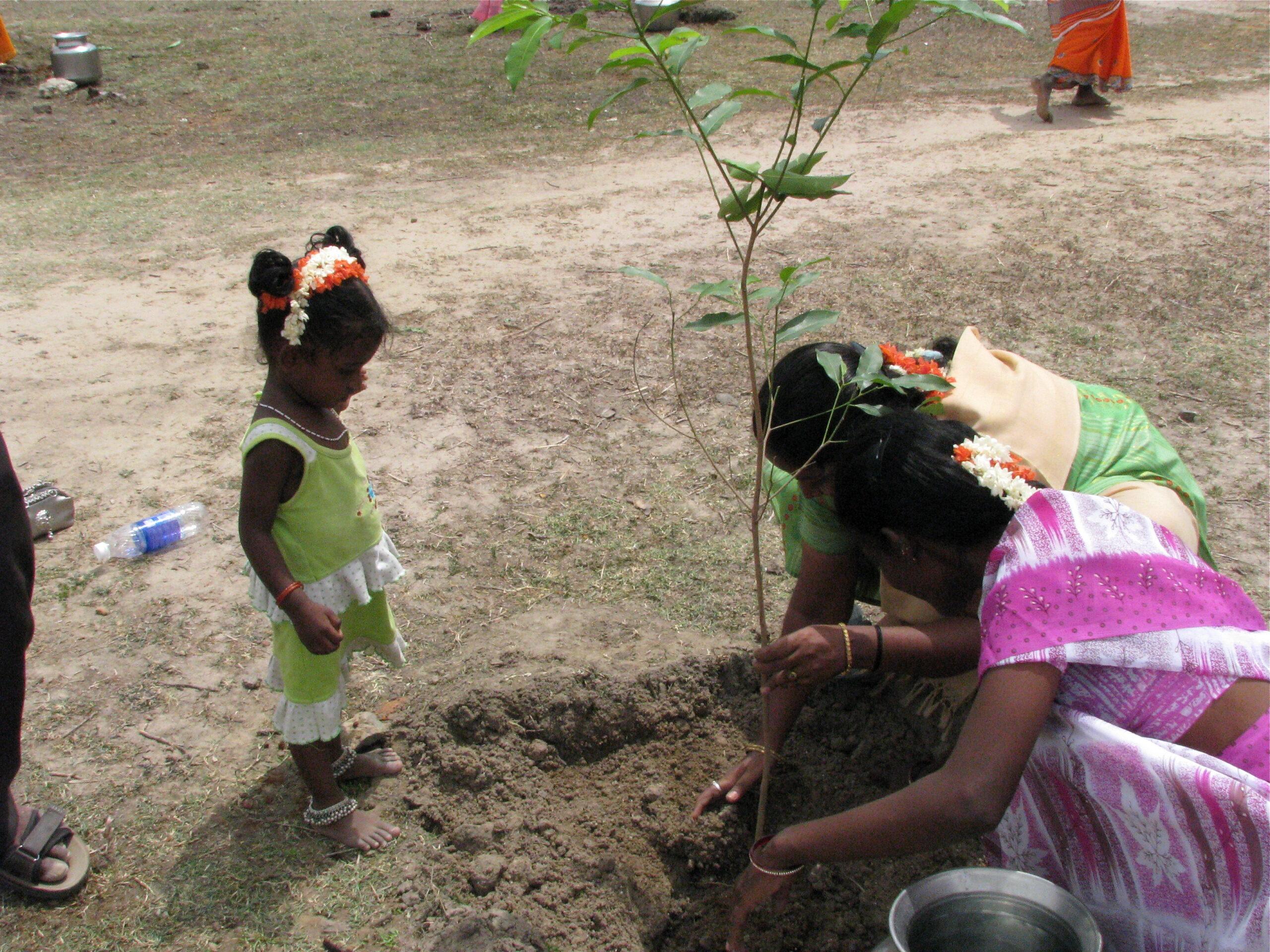
Tree planting and urban greening projects are also widely popular. These initiatives not only improve local ecosystems but also contribute to long-term climate resilience. Canadians can explore ideas or organize their own efforts using resources like Earth Day Canada’s activity guide.
For those looking to learn more, workshops and educational programs offer practical ways to adopt more sustainable habits. Sessions available through Earth Day Canada workshops cover topics such as reducing waste, sustainable food choices, and climate action at home.
Participation doesn’t always require attending an event. Many Canadians choose to take individual action, whether that means reducing single-use plastics, switching to active transportation, or starting small sustainability initiatives at home or work. Tools like Earth Day Canada’s action hub make it easier to turn those ideas into something tangible.
Together, these efforts show how Earth Day in Canada is less about a single moment and more about building habits that carry forward throughout the year.
Where Canada Stands on Green Initiatives
Canada ranks among global leaders in certain areas of environmental policy, particularly in clean electricity generation. According to International Energy Agency data, a large portion of Canada’s electricity already comes from non-emitting sources like hydro, nuclear, and wind.
At the same time, Canada faces challenges. The country remains one of the higher per-capita emitters of greenhouse gases, largely due to its energy sector and geography. This creates tension between economic growth and environmental responsibility.
Recent federal investments aim to address this gap. Programs tied to clean technology, critical minerals, and renewable energy are expected to generate $80 billion in investment and support over 100,000 jobs in the coming years, according to Canada’s 2023 federal budget.
Why Earth Day Still Matters for Canada’s Future

Earth Day is more than a yearly event — it’s a checkpoint. It gives Canadians a chance to reflect on progress, question what’s working, and push for stronger action. In a global economy increasingly shaped by climate policy and green technology, these conversations are no longer optional.
For Canada, the opportunity is significant. With its natural resources, skilled workforce, and growing clean energy sector, the country is positioned to lead in the transition to a low-carbon economy.
The challenge is execution. Turning commitments into measurable outcomes will determine whether Canada simply participates in global climate efforts or helps define them. Earth Day serves as a reminder that progress depends not just on policy, but on everyday choices made across the country.