
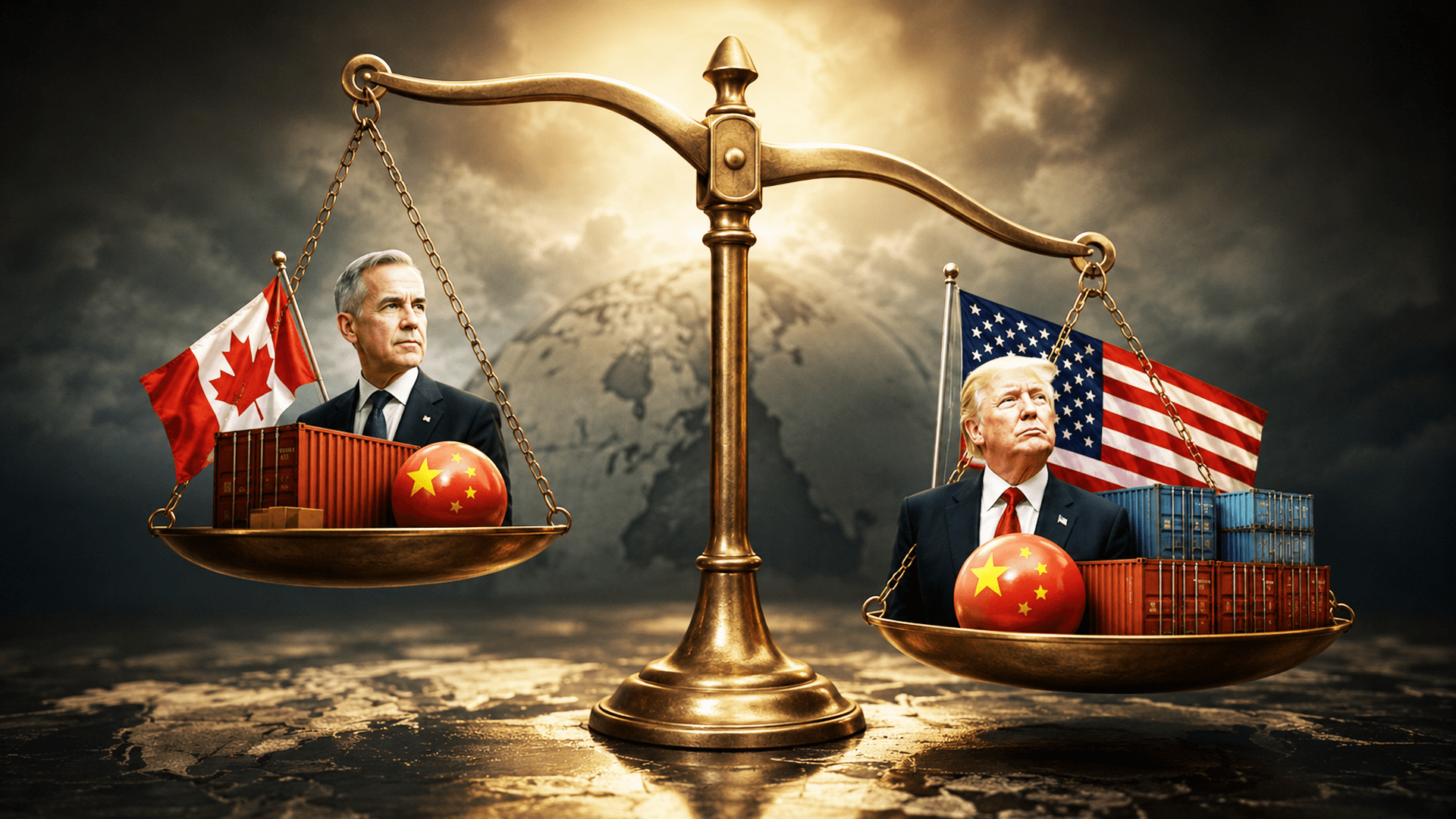

The US trade environment operates on an increasingly clear double standard: when Canada seeks new international partners, it is framed as a security threat, but when the U.S. does the exact same thing, it is deemed a global necessity.
This dynamic was starkly illuminated when Canada’s January 2026 trade mission to Beijing drew sharp U.S. warnings, only for U.S. diplomatic and trade teams to make the very same pilgrimage months later.
The core question for Canadians is simple: Why was our action a danger to continental security, yet the American mission was perfectly acceptable and even praised?
U.S. Warnings and the Pressure on Canada

The reaction from Washington to Canada’s attempt to deepen trade ties with Beijing was immediate and severe. U.S. political figures issued thinly veiled threats, hinting at potential economic retaliation and tariffs against Canadian goods.
This aggressive rhetoric caused significant market anxiety across Canada. The pressure was compounded by outspoken critics like Howard Lutnick, whose public statements characterized Canada’s efforts at trade diversification as harmful to the continental alliance.
The U.S. was essentially painting Canada as an unreliable partner, creating a scenario where Ottawa felt it had no choice but to stay close to Washington’s orbit, or face the financial consequences.
The Great Trade Hypocrisy
The ultimate U.S. pivot toward its own significant diplomatic and trade outreach to China exposed a profound hypocrisy that perfectly encapsulates the “What’s good for the goose is not good for the gander” principle.
If engaging China is a massive risk to security when Canada initiates it, it cannot suddenly become a prudent move for global stabilization when the U.S. Treasury Secretary lands in Beijing.
This selective application of rules suggests two possible motives. The first is an attempt to subjugate Canadian interests, using security rhetoric to ensure Washington retains priority control over which major global markets its neighbour can access.
The second, more practical, motive is driven by domestic economic necessity. With the U.S. showing signs of a weakened economy, policymakers concluded that continued business with China was absolutely required to access vital global supply chains and consumer markets, tough talk be damned.
The U.S.–Canada–China Double Standard
The U.S. trade environment increasingly operates on a clear double standard: when Canada seeks to expand trade with global partners like China, it is often framed as a security concern. When the United States does the same, it is framed as economic necessity or global leadership.
This tension became especially visible when Canada’s trade outreach to Beijing drew sharp warnings from Washington—only for U.S. officials to pursue their own high-level engagement with China not long after.
For Canadians, the question is straightforward: why is the same action considered risky when Canada does it, but pragmatic when the United States does?
The China Engagement Paradox
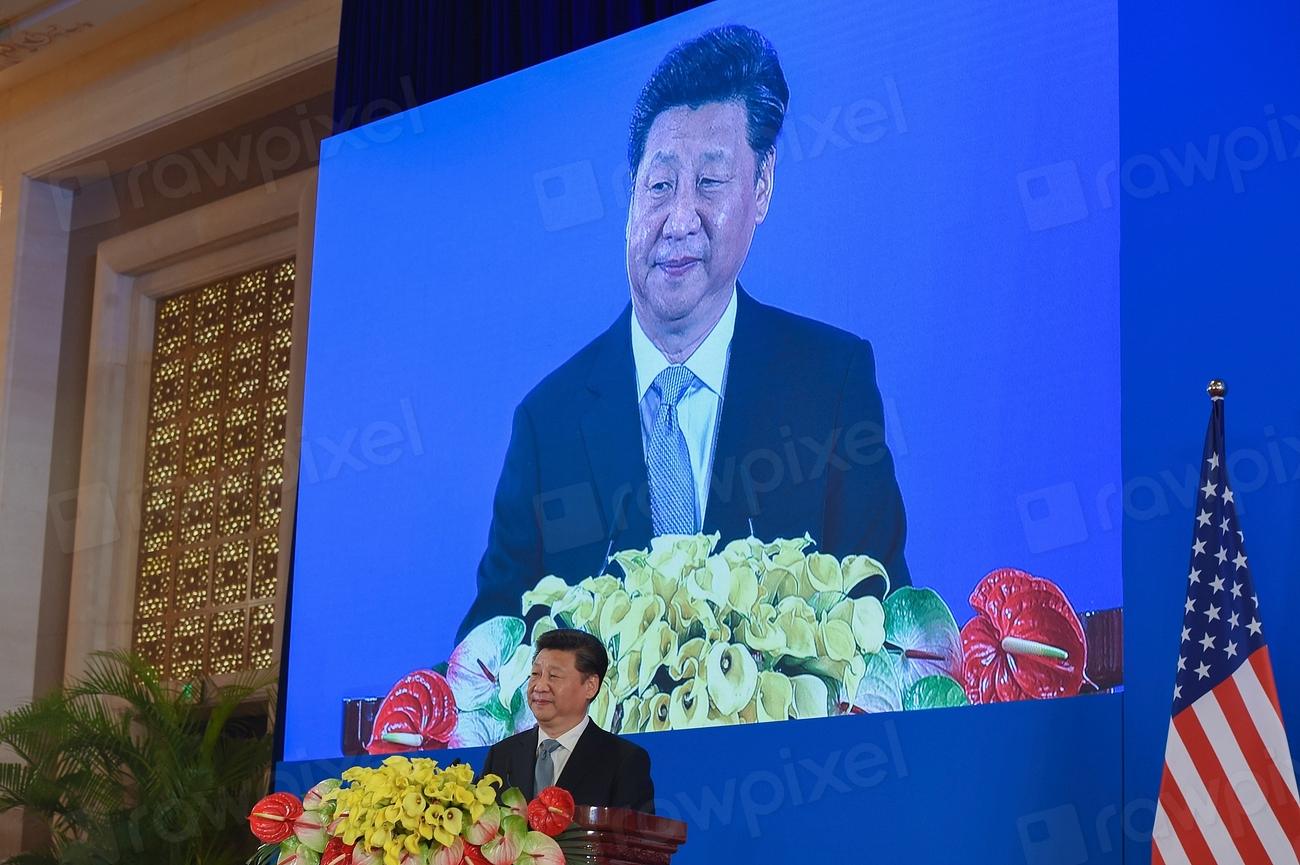
At the same time, the United States continues its own active engagement with China across trade, diplomacy, and global supply chain management.
This creates an obvious tension. If engagement with China is considered a strategic risk when Canada does it, it is difficult to argue it becomes fundamentally different when the United States does the same thing at scale.
The reality suggests less a consistent rule and more a hierarchy of flexibility: larger powers have room to adjust policy based on domestic economic needs, while smaller partners are expected to align more closely with shared strategy.
There are two ways to interpret this.
One is strategic influence: the United States shapes the boundaries of acceptable economic behaviour within its sphere of influence, including Canada.
The other is pragmatic necessity: despite political tensions, the U.S. economy remains deeply integrated with China through manufacturing, supply chains, and global markets, making complete disengagement economically unrealistic in the near term.
The MAGA Contradiction
The U.S. decision to actively engage Beijing exposes a clear contradiction within the ‘America First’ movement. While the political rhetoric demands an aggressive decoupling from China, the economic reality is that the U.S. cannot afford such isolation.
This pivot confirms that the requirement to sustain its economy, particularly through access to Chinese production and consumers, will always supersede geopolitical posturing, forcing the U.S. to ignore its own protective rules.
Strategic Autonomy and the Impact on Canada
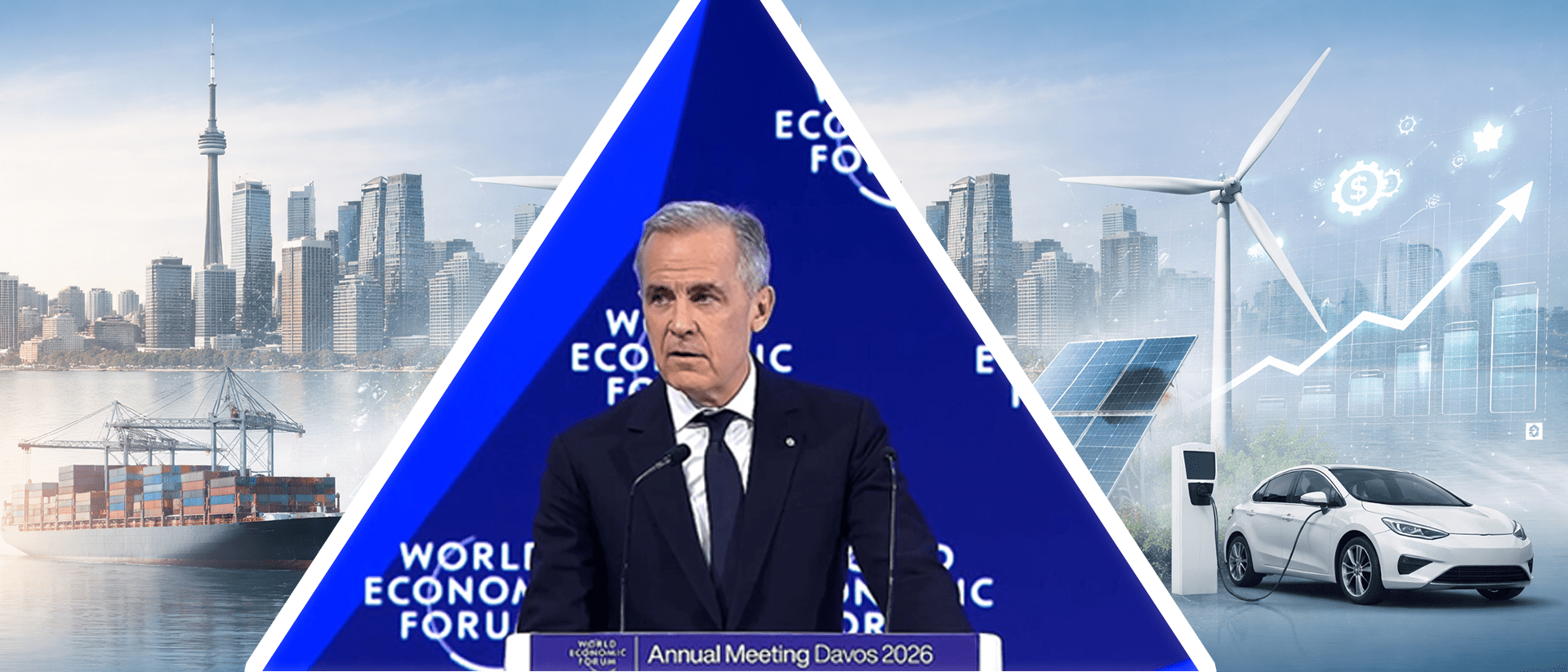
Faced with this clear hypocrisy and persistent protectionist pressure, Canada has wisely moved toward strategic autonomy. This position is best defined by the “Davos Doctrine,” championed by the Carney administration.
The doctrine mandates that middle powers must actively cooperate and diversify their markets to avoid becoming the victims in the great power rivalry. The goal is to ensure Canada is never simply “on the menu” for larger nations.
Canada’s intensive trade diversification efforts, particularly across the Indo-Pacific, Mexico, and Qatar, are not merely opportunistic—they represent an urgent economic shield for our country.
While some agreements remain early-stage, this strategy is designed to insulate Canadian jobs and the home economy from the inherent instability of a volatile global landscape, securing our long-term economic security in the process.
Closing
The result is a structural imbalance: Canada is encouraged to align closely with U.S. trade strategy, while the United States retains far greater freedom to adjust its own engagement with China based on domestic economic priorities.
In that context, the real question is not whether Canada or the United States are “right” about China —but whether smaller economies are ever judged by the same rules as larger ones.