

30 Years of Presence: The Women Who Wrote Canada’s Unwritten History
As Black History Month in Canada marks its 30th anniversary, it is a moment not only to reflect on the past, but to honour the women whose voices, courage, and creativity shaped this country’s cultural identity. From music and literature to journalism and activism, Black women have been at the heart of Canada’s social and artistic progress—often without the recognition they deserved.
Here are just a few of the trailblazers whose influence continues to shape Canada today:
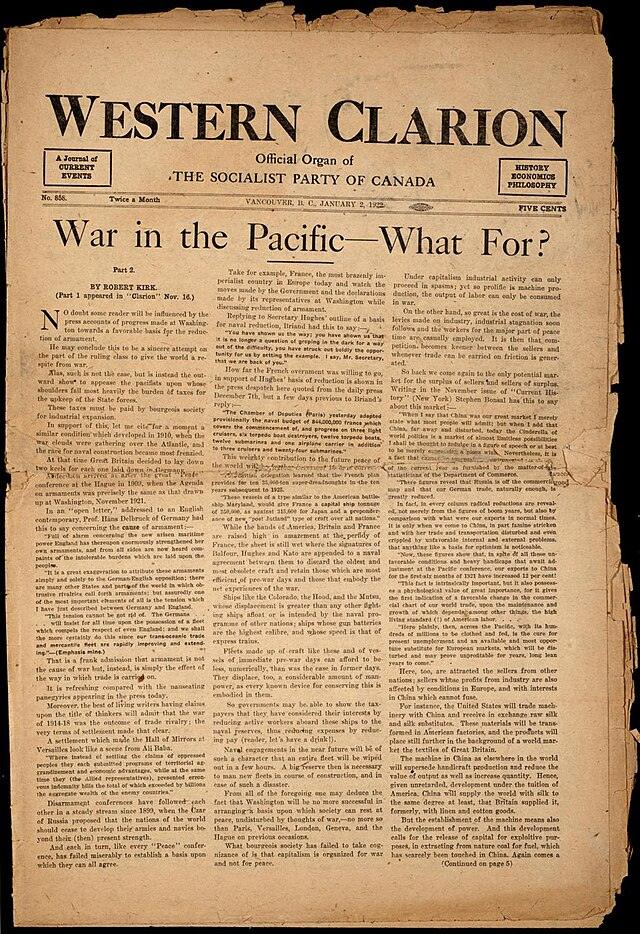
1. The Power of the Press: Mary Ann Shadd Cary & Carrie Best
Before there was a national dialogue on civil rights, there were Black women with printing presses.
- The Legend: Mary Ann Shadd Cary (1823–1893) was the first female publisher in Canada. Her paper, The Provincial Freeman, was a lifeline for those escaping the Fugitive Slave Act.
- The Successor: Carrie Best (1903–2001) carried that torch a century later, founding The Clarion. When she was arrested for sitting in the “white” section of a Roseland Theatre in 1943—three years before Viola Desmond—she didn’t just complain; she used her own newspaper to broadcast the injustice to the masses.
- The Legacy: They proved that Black Canadians wouldn’t wait for permission to tell their own stories.
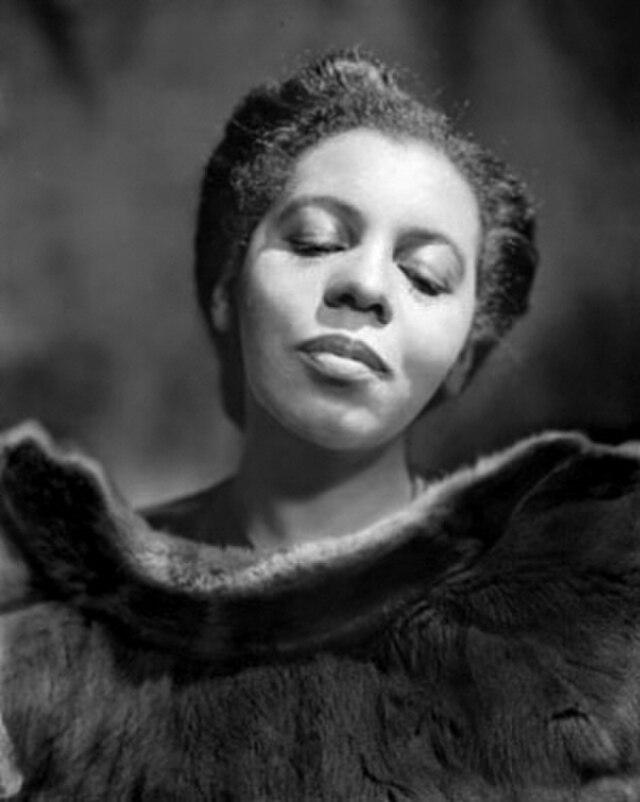
2. The Voice of a Nation: Portia White (1911–1968)
Portia White didn’t just sing; she broke a physical barrier.
- The Struggle: At the height of her fame in the 1940s, White was a world-renowned contralto, yet she was frequently denied hotel rooms in the very Canadian cities where she performed.
- The Impact: She was the first Black Canadian singer to reach international stardom. Her breakthrough paved the way for the Jully Blacks and Deborah Coxes of today, shifting the Canadian “sound” from purely Eurocentric choral music to a broader, global stage.
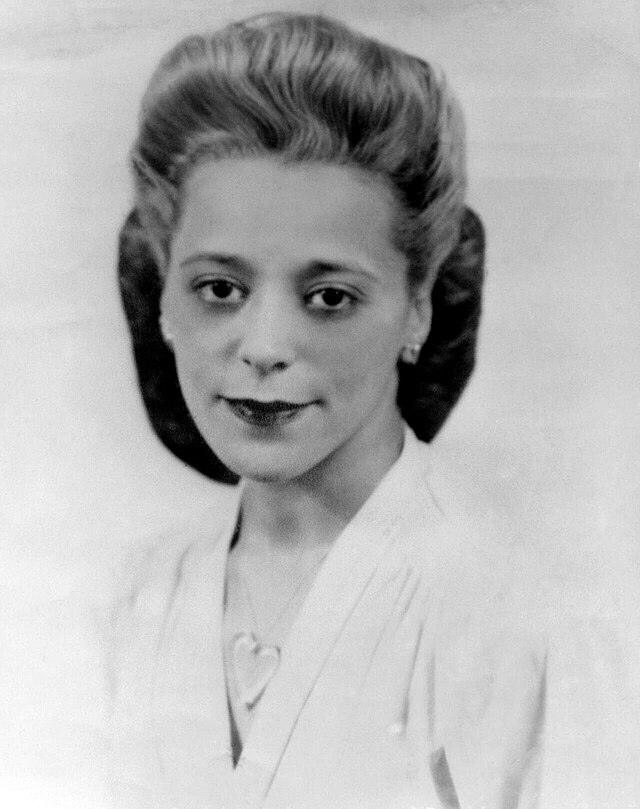
3. The Legal Architect: Viola Desmond (1914–1965)
Viola Desmond was a Canadian businesswoman and civil rights pioneer who challenged racial segregation in Canada — nearly a decade before Rosa Parks’ famous protest in the United States.
- The Struggle: In 1946, Desmond went to the Roseland Theatre in New Glasgow, Nova Scotia. She purchased a ticket for the main floor but was told to sit in the balcony, which was unofficially reserved for Black patrons. She refused to move.
Instead of being charged for violating segregation laws (which were not officially written in Nova Scotia), she was charged with tax evasion — for allegedly failing to pay a 1-cent difference between balcony and main-floor tickets. She was arrested, jailed overnight, fined, and convicted.
Her case became one of the most significant early civil rights challenges in Canada. - Impact and Legacy
- Helped inspire the Canadian civil rights movement.
- In 2010, she received a posthumous free pardon from the Government of Nova Scotia — the first of its kind in Canada.
- In 2018, she became the first Canadian woman featured alone on a regularly circulating Canadian banknote (the $10 bill).
- Her story is widely taught in Canadian schools and featured in a Heritage Minute film.

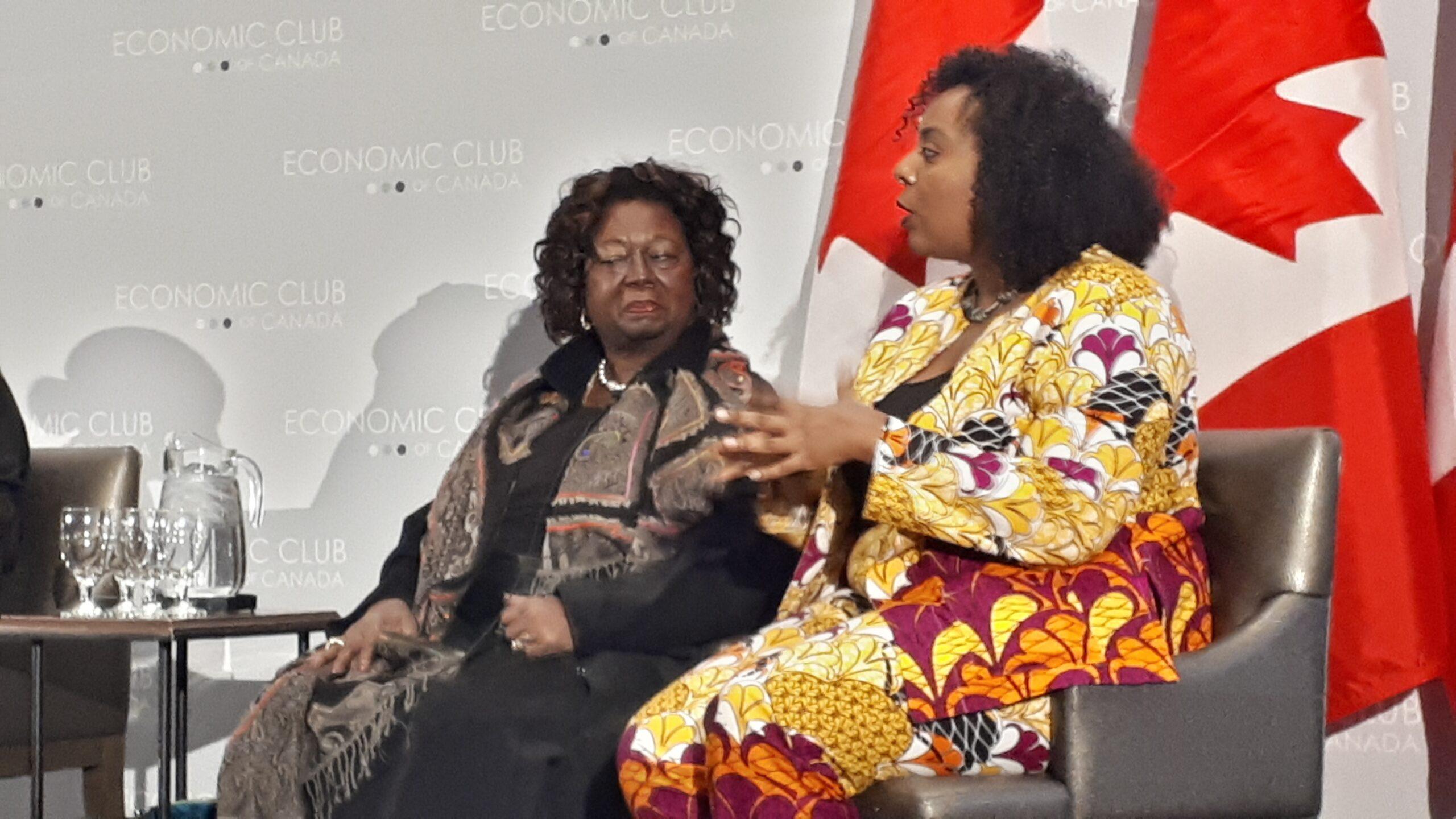
4. The Political Catalyst: The Honorable Jean Augustine
The 30th Anniversary belongs to her.
- The Moment: In December 1995, Jean Augustine stood in the House of Commons. As the first Black woman MP and Cabinet Minister, she put forward the motion that changed February forever.
- The Nuance: Her work wasn’t just about a calendar month; it was about policy. She championed the Micro-Skills Development Centre and urban social reform, proving that “culture” is also built through legislation.
5. The Truth-Tellers: Dr. Afua Cooper & Dionne Brand
History is often a “polite” fiction in Canada. These women provided the correction.
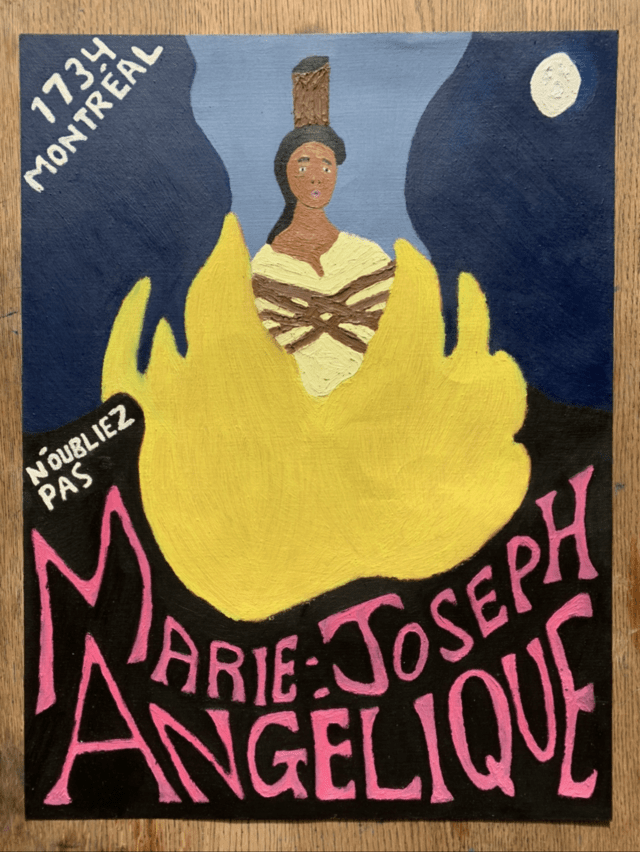
- Afua Cooper: By uncovering the life of Marie-Joseph Angélique, Cooper destroyed the myth that “slavery didn’t happen here.”
- Dionne Brand: As Toronto’s former Poet Laureate, Brand’s work (A Map to the Door of No Return) changed how we view migration. She moved the conversation from “immigrants arriving” to “citizens belonging.”

Jully Black: The Disruptor and the Bridge
Jully Black is often called “Canada’s Queen of R&B,” but her 30-year career has been defined by a refusal to stay in a “musical box.” While the previous draft mentions her music, it misses the moment she became a part of the Canadian constitution’s “unwritten” evolution.
- The “One Word” Revolution (2023): At the NBA All-Star Game, Jully did something no one expected: she performed a “musical land acknowledgement.” By changing one syllable—singing “Our home on native land” instead of “and native land”—she sparked a national conversation about Indigenous sovereignty and Black-Indigenous solidarity. She didn’t just sing the anthem; she updated it for a modern Canada.
- The “100 Strong and Sexy” Legacy: Beyond the stage, Jully founded 100SAS, a holistic wellness movement. Created to honor her late mother, it’s now one of Canada’s largest Black-founded health initiatives. It reframes “Black History” as “Black Health and Longevity,” proving that resilience isn’t just a historical concept—it’s a daily practice.
- A Mirror to the Greats: For the 30th anniversary, Jully stands in the lineage of Portia White. Where Portia broke the barrier of where Black women could sing, Jully is breaking the barrier of what they are allowed to say.

Why This 30th Anniversary Hits Differently
In 1996 (the first official BHM), the goal was awareness—letting Canadians know Black people were here. In 2026, the goal is accountability.
These women didn’t just “shape” culture; they defended it against erasure. From the $10 bill featuring Viola Desmond to the halls of Parliament where Jean Augustine spoke, Black women have moved from the margins of the Canadian story to the very ink it is written with.
Here are some links to help the Canadian community celebrate and honour the 30th anniversary of Black History Month in Canada:
- Government of Canada announces the theme for Black History Month 2026 – official announcement of the 30th anniversary theme.
- Government of Canada celebrates 30 years of Black History Month – media advisory about national celebrations and events.
- February is Black History Month – official campaign page with information, history, and resources.
- Black History Month 2026: Honouring 30 Years of Black Brilliance Across Generations – Library and Archives Canada resource page about BHM and archival stories.
- Black History Month digital toolkit – downloadable posters, graphics, and content to support celebrations and outreach.
- Black History Month 2026 – BC Black History Awareness Society – community organization page with event information and history related to BHM in British Columbia.
- 30 years of Black History Month: TMU celebrates all February – example of celebration and programming from a Canadian educational institution.
- BHM 2026: A 30 Year Milestone — Theme Announced (YouTube) – video explaining the theme and significance of the 30th anniversary.