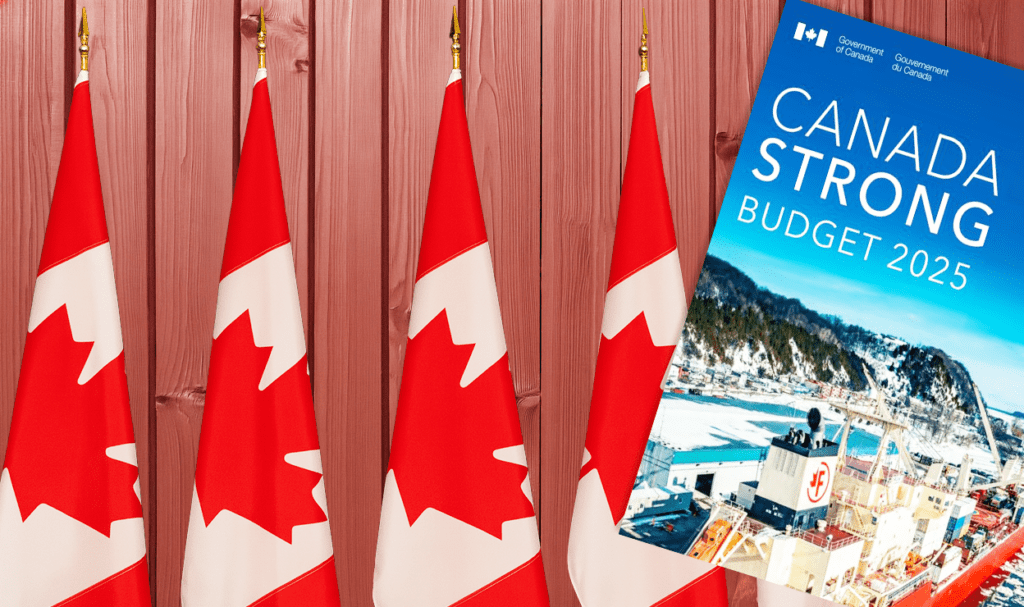

Why 2025 Mattered for Canada’s Economy
By the start of 2025, Canada found itself at a crossroads. Ongoing Canada–U.S. trade tensions, growing protectionism south of the border, and supply‑chain shocks made it clear that relying too heavily on one market was no longer sustainable. Prime Minister Mark Carney entered the year with a clear goal: diversify Canada’s trade partners, attract long‑term global capital, and rebuild confidence in Canada as a place to do business. What followed was a series of domestic and international deals that brought investment into energy, infrastructure, technology, and manufacturing — while creating jobs Canadians could actually feel in their communities.
10. March 2025 — Interprovincial Trade Barriers Begin to Fall
Unlocking Canada’s Own Economic Potential
One of the most practical moves of the year came at home. Federal, provincial, and territorial leaders agreed to accelerate the removal of long‑standing internal trade barriers by passing the Free Trade and Labour Mobility in Canada Act to build “one Canadian economy.” By allowing goods, services, and skilled workers to move more freely across provincial lines, the changes were projected to unlock $200–$240 billion in long‑term economic output and support potentially 4,000–6,000 new jobs annually through productivity gains alone.

9. March 2025 — Provincial Growth and Indigenous Investment Framework
Laying the Groundwork for Long‑Term Jobs
Early in the year, Prime Minister Carney met with premiers from across Canada to align on a national economic growth framework. The plan focused on trade corridors, infrastructure, and Indigenous‑led energy projects such as Cedar LNG. Together, these initiatives were projected to generate over $275 million in economic activity and support hundreds of skilled construction and operations jobs.
8. April 2025 — LNG Momentum on Canada’s West Coast
Canadian Energy Reaches Global Markets
In April, Canada’s liquefied natural gas sector took a major step forward as global partners reaffirmed demand for Canadian LNG. With export facilities coming online in British Columbia, Canada strengthened its position as a reliable supplier of lower‑emissions energy to Asia and Europe.
The LNG Canada export terminal in Kitimat represents one of the largest private‑sector investments in Canadian history and is expected to generate tens of billions of dollars in export revenue over its lifetime while supporting thousands of construction and long-term operations jobs.
At the same time, the Indigenous-led Cedar LNG project received federal support toward a roughly $5.96 billion development. The project is expected to create hundreds of construction jobs and long-term careers while generating lasting economic benefits for Indigenous communities.
Across British Columbia, proposed and approved LNG export projects together represent up to $109 billion in potential capital investment, highlighting the long-term scale of Canada’s LNG opportunity.

7. May 2025 — Indo‑Pacific Trade Diversification
Reducing Reliance on the U.S.
Canada expanded trade missions throughout the Indo‑Pacific region to help domestic businesses reach new markets and strengthen economic ties, supporting trade diversification beyond the U.S. These missions connected hundreds of Canadian exporters with current and potential buyers in countries such as Malaysia, Vietnam, Korea, Australia, Thailand, and more — fostering new opportunities and export agreements worth millions of dollars.
6. June 2025 — AI and Advanced Technology Investment
Turning Innovation into Careers
Canada’s reputation in artificial intelligence helped attract new global research and data‑infrastructure partnerships. These investments strengthened Canada’s technology ecosystem while anchoring talent at home. The sector saw potential private‑sector investment of $4–6 billion and supported approximately 5,000 high‑skill jobs in engineering, research, and product development.
5. October 2025 — Critical Minerals Alliance
$6.4 Billion for Canada’s Resource Regions
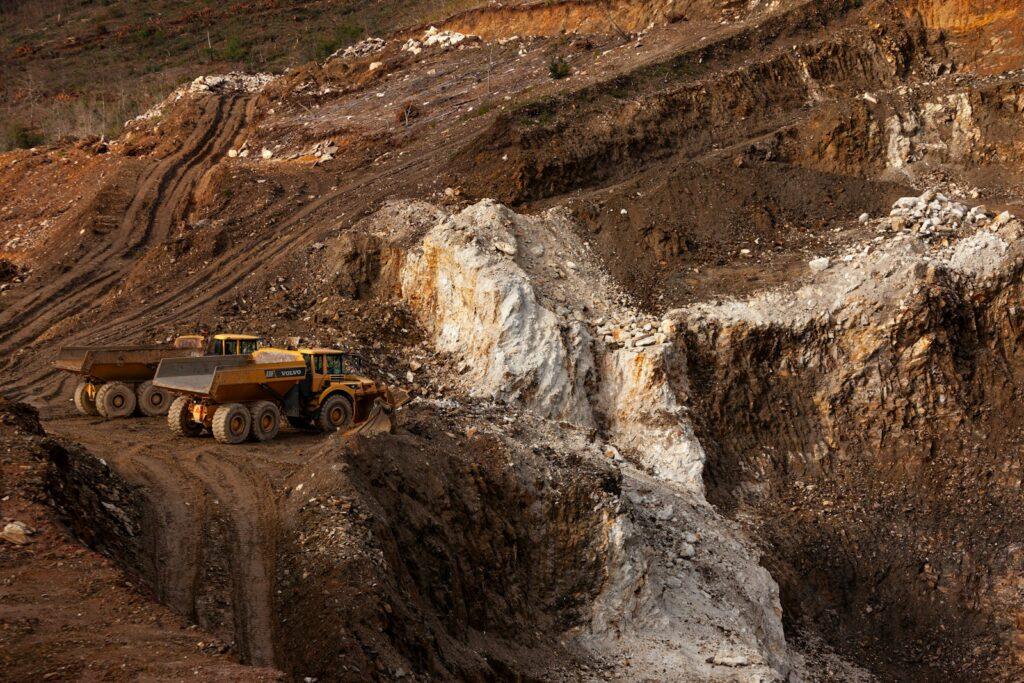
At the G7 Summit, Canada announced a landmark alliance with nine other G7 countries, the G7 Critical Minerals Action Plan (CMAP), to secure critical mineral supply chains. Mining, processing, and transportation projects unlocked $6.4 billion in new investment and supported an estimated 7,000–9,000 jobs, many in northern and rural communities.
4. October 2025 — Singapore Expands Its Canadian Investments
Asia’s Capital Meets Canadian Stability
Singapore reaffirmed and expanded its investment footprint in Canada, focusing on infrastructure, logistics, and technology. These commitments carried potential revenues of $5–7 billion and supported approximately 3,000 Canadian jobs across construction, operations, and digital services. Prime Minister Mark Carney and Prime Minister Lawrence Wong discussed progress to finalise a Canada-ASEAN free trade agreement in 2026.
3. November 2025 — Nation‑Building Infrastructure Projects
$56 Billion, Coast to Coast
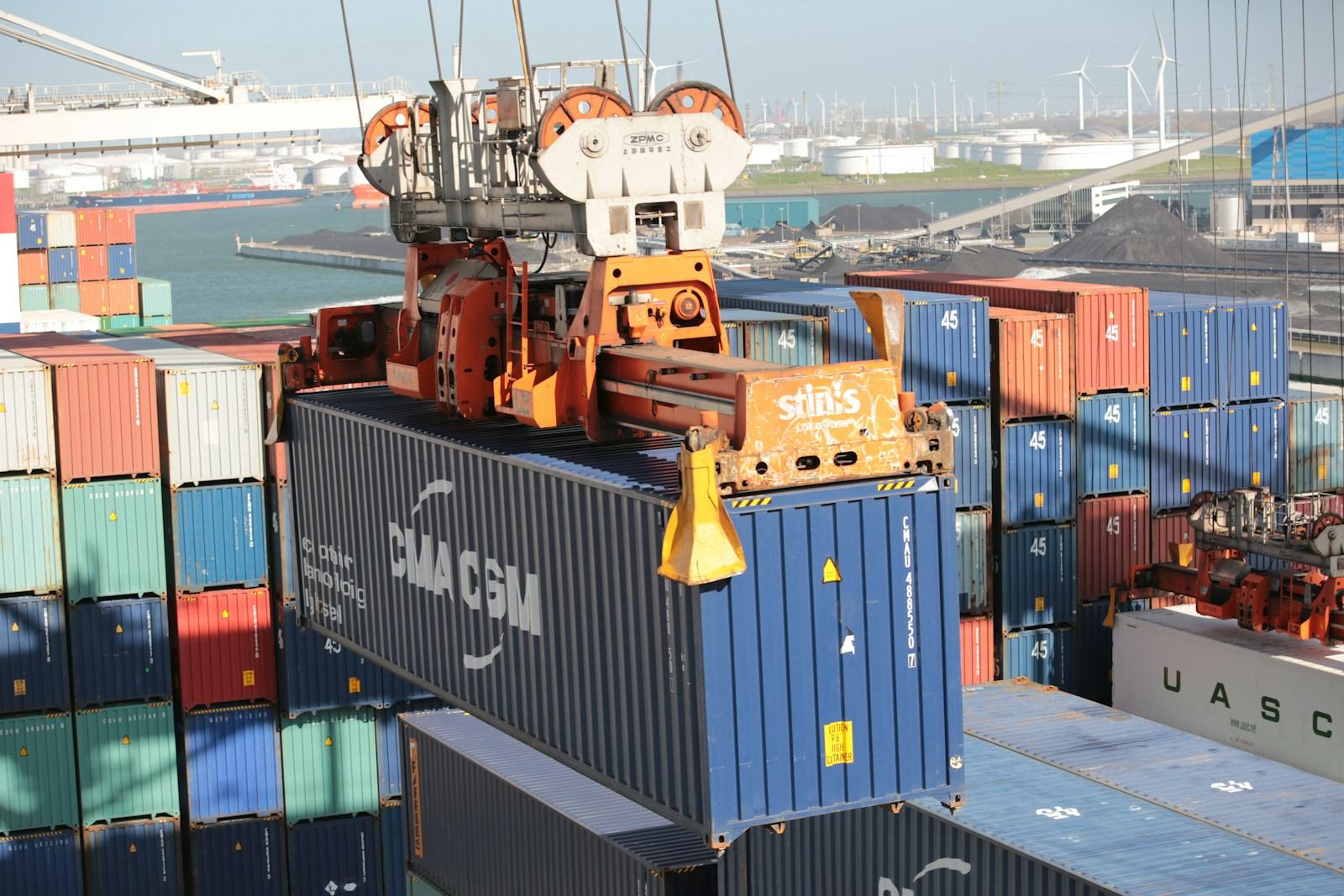
The second tranche of nation‑building projects focused on ports, power transmission, and transportation corridors. Valued at $56 billion, these projects were expected to support around 68,000 jobs while improving Canada’s long‑term trade competitiveness.
2. November 2025 — Alberta Energy and Pipeline Advancements
Moving Canadian Energy to Market
While not a single new pipeline announcement, 2025 saw regulatory alignment and investment support for Alberta energy infrastructure upgrades and export capacity. These efforts aimed to stabilise existing pipelines and improve access to tidewater. The initiatives supported potential revenues of $12–15 billion and helped sustain over 20,000 energy‑sector jobs across Western Canada.

1. November 21, 2025 — Canada–UAE Investment Agreement
$70 Billion Commitment
Canada and the United Arab Emirates signed a landmark agreement paving the way for $70 billion in investment across clean energy, AI, infrastructure, and minerals. The deal was expected to support tens of thousands of Canadian jobs over the coming decade.

The Big Picture — Over $100 Billion in Announced Investment
By year’s end, Canada had secured more than $100 billion in announced investments. But 2025 wasn’t just about headline figures. It marked a shift in direction — proof that Canada could reduce its reliance on the U.S., open new global markets, move goods more freely at home, and rebuild confidence in long‑term economic growth that benefits workers, businesses, and future generations alike.
What This Actually Meant for Canadians
- Potential Revenue: An estimated $430–$520 billion in long‑term economic activity tied to expanded trade, LNG exports, infrastructure construction, critical minerals development, and global capital investment.
- Potential Jobs: Approximately 120,000–150,000+ jobs supported or sustained across Canada, spanning skilled trades, construction, energy, technology, manufacturing, and export‑driven industries.
In a year defined by uncertainty, 2025 showed what Canada can achieve when it plans outward — and builds inward.