
The Mexico Mission: Operationalizing the North American Shield
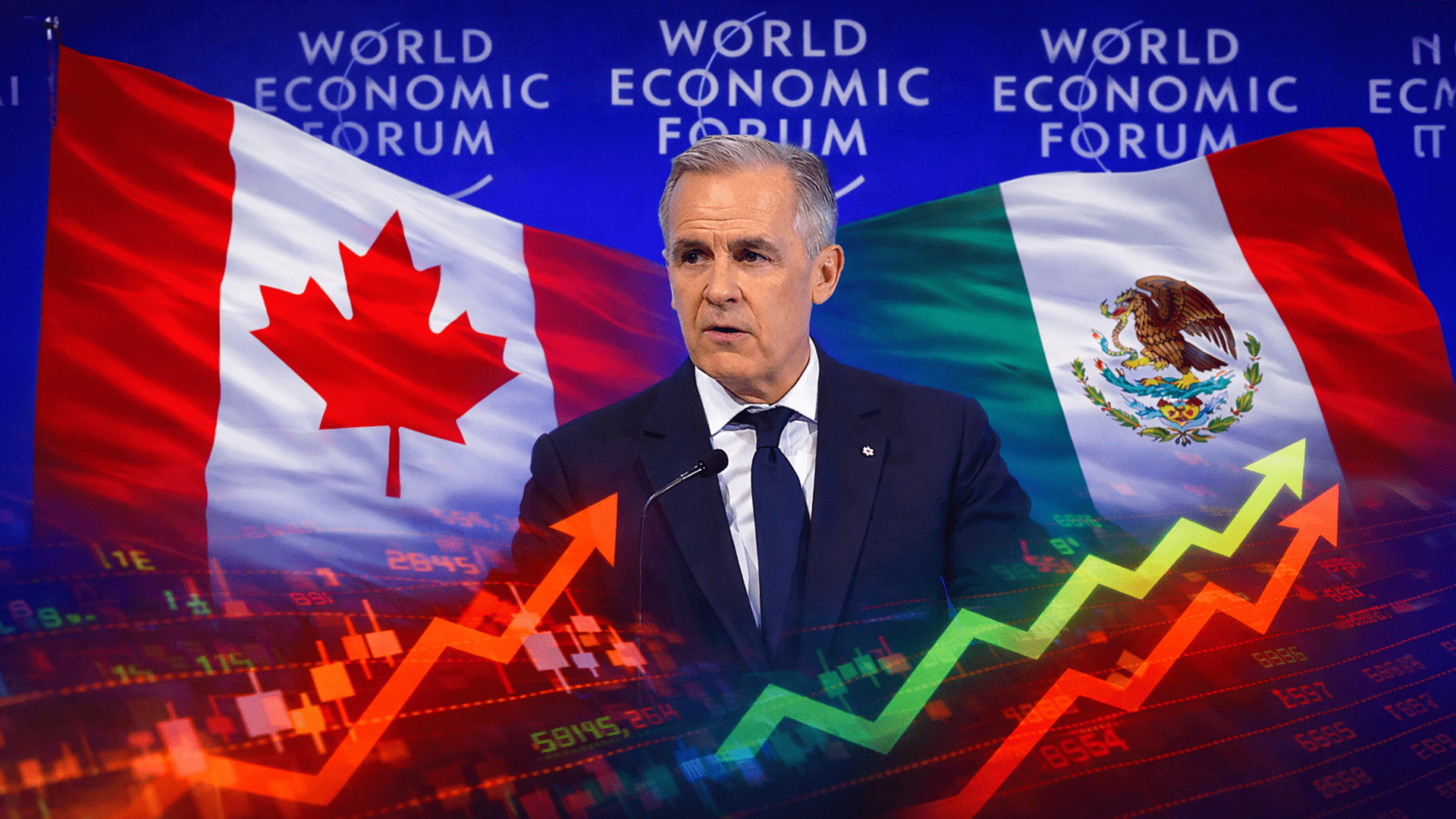
While Prime Minister Mark Carney’s “Davos speech” focuses on the high-level strategy of aligning middle powers globally, the heavy lifting of continental security is happening much closer to home. When he delivered this speech last month, the world listened in stunned silence to what many called a “eulogy” for the old rules-based order; his warning that middle powers must act together or be “on the menu” made an immediate impact, sparking a global debate on strategic autonomy.
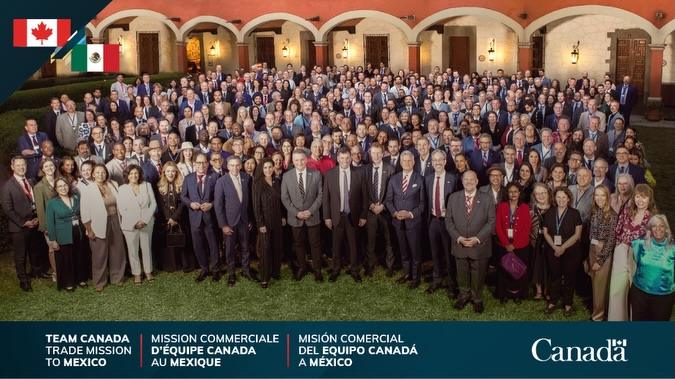
Following the Prime Minister’s call for Canada to move past its reliance on a single superpower, the federal government is now turning that strategic vision into tangible commercial infrastructure. The first major test of this doctrine arrived in mid-February, as Minister Dominic LeBlanc led a record-breaking Team Canada trade mission to Mexico.
Consisting of over 370 delegates and 240 organizations, this delegation stands as the largest and most significant trade mission Canada has ever conducted in its history. The sheer volume of participants signals a new era in bilateral relations, moving away from viewing Mexico as a secondary partner toward treating it as a primary strategic ally. The timing is a deliberate continuation of the “Middle Power Pivot”; as the global order shifts, Mexico has emerged as Canada’s most critical partner in securing a stable North American economic perimeter before the high-stakes 2026 CUSMA review begins.
From High-Level Strategy to Commercial Action
The mission moved beyond diplomatic dialogue to secure concrete commercial wins across Mexico’s three major industrial powerhouses: Mexico City, Monterrey, and Guadalajara. In the technology sector, Vancouver-based SimplyAsk.ai launched a strategic partnership with Mexican ICT leader Axtel to deploy Canadian conversational AI across the Mexican market. This highlights a shift in the bilateral relationship toward high-tech collaboration and digital services, mirroring the “human capital” focus Carney is currently promoting in India.
The critical minerals sector also saw a major breakthrough with the announcement that Quebec’s Probe Gold was acquired by the Mexican giant Fresnillo, the world’s leading silver producer. This acquisition secures a high-tech exploration corridor between the two nations, ensuring that Canadian expertise and Mexican resources remain tightly integrated. Furthermore, the Business Council of Canada and Mexico’s Business Coordinating Council (CCE) signed a landmark Memorandum of Understanding, establishing a permanent CEO Dialogue to ensure business voices remain a united front against protectionist rhetoric radiating from Washington.

Expanding the Sectoral Wins
The creative industries surge saw over 40 Canadian organizations in the audiovisual, interactive media, and video game sectors participate in a tailored program in Mexico City and Guadalajara. A standout participant was MI Concept + Design Inc., a global leader in themed entertainment, which used the mission to solidify its expansion into the Mexican leisure and tourism market.
Agri-food and ag-tech partnerships also took centre stage, as Mexico remains Canada’s fourth-largest export market for agricultural products. The mission saw new commitments to streamline the trade of grains, oilseeds, and meats. There was a specific focus on animal farm tech and controlled environment agriculture, where Canadian firms are helping Mexican producers modernize their supply chains to meet growing global demand.
In Monterrey, the establishment of a “Clean Tech” Corridor allowed Canadian delegates in the clean energy and smart grid sectors to meet with Mexican industry leaders. The discussions focused on emissions reductions in the oil and gas sector and waste-to-energy solutions, effectively positioning Canada as the primary partner for Mexico’s ambitious green industrial transition.
A unique feature of this mission was the emphasis on Indigenous Economic Inclusion, marking a significant step in Canada’s “inclusive trade” agenda. Indigenous-led businesses, including representatives like Grand Chief Jerry Daniels, focused on building direct B2B relationships with Mexican counterparts. These efforts are designed to foster long-term economic reconciliation through trade, exploring high-tech partnerships in areas like AI-driven healthcare and emergency management.

Building a Tariff-Proof Future
For Canada, this mission represents a massive paradigm shift. Mexico is now Canada’s third-largest trading partner, yet it has historically been underutilised as a destination for high-value exports. By deepening these ties now, Canada is building a defensive wall around trilateral trade. This mission also leveraged Canada and Mexico’s shared membership in the CPTPP, which provides a secondary rules-based framework that functions independently of internal American politics.
The mission concluded with the announcement of a new Canada-Mexico Bilateral Action Plan, expected to be fully operational by the end of 2026. This plan will prioritise joint port infrastructure investment and shared digital customs platforms. These moves are designed to make the North American supply chain so integrated that it becomes virtually “tariff-proof,” providing the stability Canadian businesses need to compete on the world stage. By turning the Davos Doctrine into action in our own backyard, Canada is proving that a united North American middle-power alliance is the best defence against a volatile global economy.
Mission Value
- Total Mission Value: The delegation is expected to facilitate over $1.2 billion in new commercial contracts and investment over the next three years.
- Job Creation: Early estimates suggest the partnerships formed during the mission could support the creation of 5,000 to 7,000 high-skilled jobs across Canada.
- Specific Major Deal: The acquisition of Probe Gold by Fresnillo alone represents a $770 million cash injection into the Canadian mining sector.
- Trade Growth Target: The new Bilateral Action Plan aims to increase total merchandise trade with Mexico to $65 billion by 2030.
Middle Powers Rising – Davos Trade Strategy in Action
Discover how “Middle Powers” with Canada are reshaping global trade—read the full story here.