
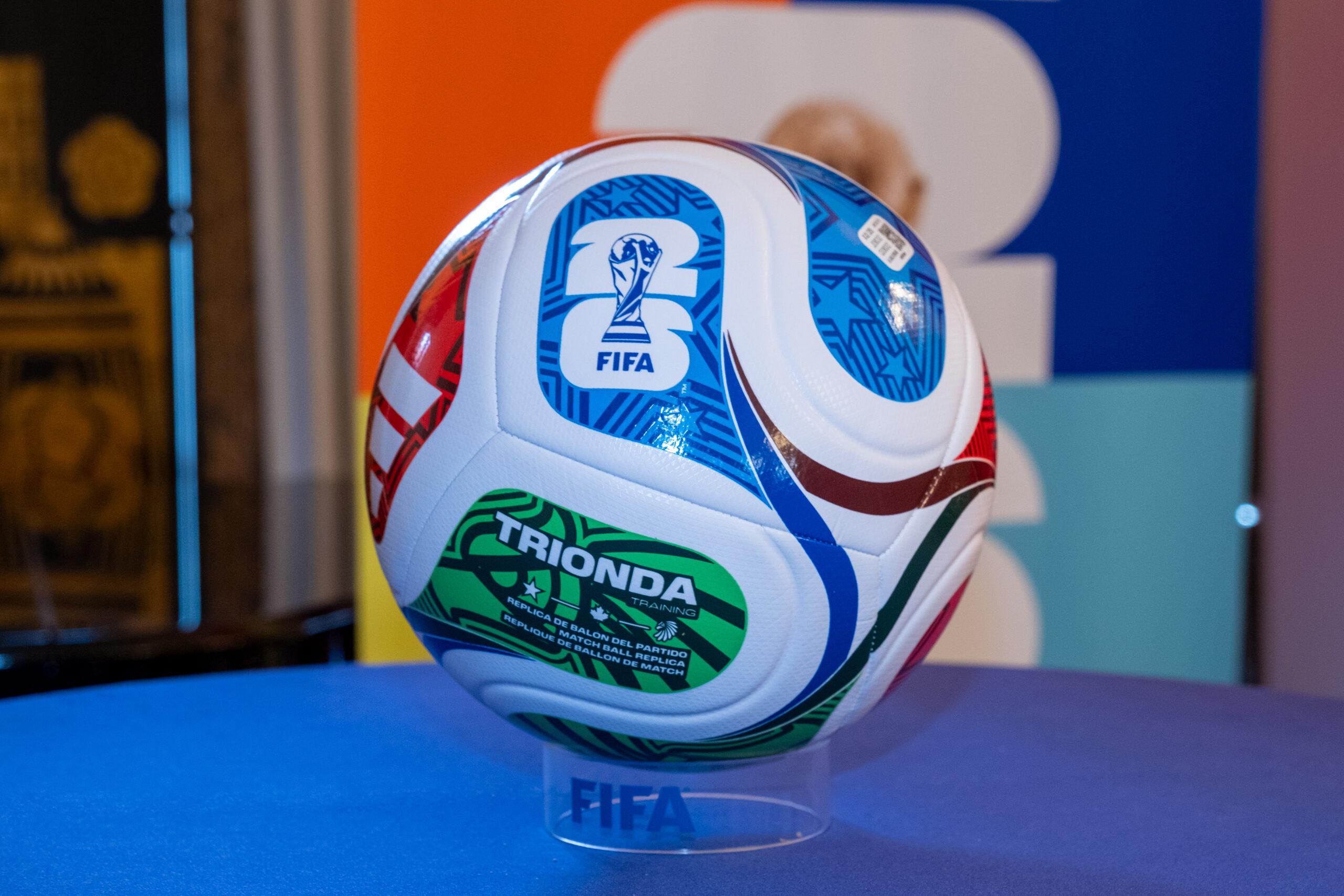
The FIFA World Cup 2026 is set to be the largest in history, and for Canada it marks a rare moment on the global sporting stage. But unlike most host nations, Canada isn’t preparing to introduce itself to the world. It is preparing to reflect a world that is already here.
That reality becomes clearest in its two host cities: Toronto and Vancouver. Neither city is becoming international for the World Cup. Both already are.
A Coast-to-Coast Global Showcase
Canada’s hosting duties are split between two distinct global cities. Toronto represents the country’s largest metropolitan and financial hub, while Vancouver serves as Canada’s Pacific gateway, deeply connected to Asia-Pacific trade, culture, and migration.
Together, they form a coast-to-coast showcase of modern Canada. The federal government has highlighted the tournament as part of a broader effort to strengthen tourism and international engagement, with official information available through Canada’s FIFA World Cup 2026 program.
This dual-city structure means the World Cup experience in Canada will not be centralized. It will be split across two already-global urban identities that function differently but reflect the same national reality.
PM Kicks Off FIFA

During FIFA World Cup 2026 promotional events and hosting preparations, Prime Minister Mark Carney has appeared alongside FIFA leadership in highly staged public appearances designed to signal readiness and national enthusiasm.
One of the most talked-about moments came during a World Cup-related event where Carney was photographed holding and presenting World Cup branding materials and participating in ceremonial visuals with FIFA officials. The imagery was widely shared because it placed Canadian leadership directly into the global marketing narrative of the tournament, alongside figures like FIFA president Gianni Infantino.
More broadly, Carney has leaned into these appearances as part of a deliberate communications strategy: positioning Canada not just as a co-host, but as a confident global actor ready for one of the world’s largest sporting events.
Toronto and Vancouver as Already-Global Football Cities
Toronto and Vancouver do not need to transform for the World Cup. They already operate as international football cities shaped by immigration, cultural diversity, and global fan communities.
In Toronto, football culture is deeply embedded in neighbourhood identity, with communities from Europe, Africa, the Caribbean, and South America sustaining local leagues and fan traditions. In Vancouver, similar patterns exist, with strong football communities connected to Asian, European, and Latin American diasporas.
These cities already mirror the World Cup experience on a smaller scale every weekend. The tournament simply amplifies what already exists.
Immigration Built Canada’s Football Identity
Canada’s football story is not rooted in a single domestic tradition. It is built through immigration.
In Toronto, generations of newcomers brought football with them, creating grassroots leagues and youth programs that shaped how the sport grew in Canada. In Vancouver, immigration patterns from across Asia and Europe helped establish strong club systems and community-based football culture.
This foundation is now visible at the national level. Players like Alphonso Davies, who was born in a refugee camp in Ghana before growing up in Edmonton, and Jonathan David, who was born in Brooklyn and raised in Ottawa, reflect a broader Canadian reality: global roots forming a national identity.
More information about the national program can be found through Canada Soccer.
Stadiums, Infrastructure, and City Readiness
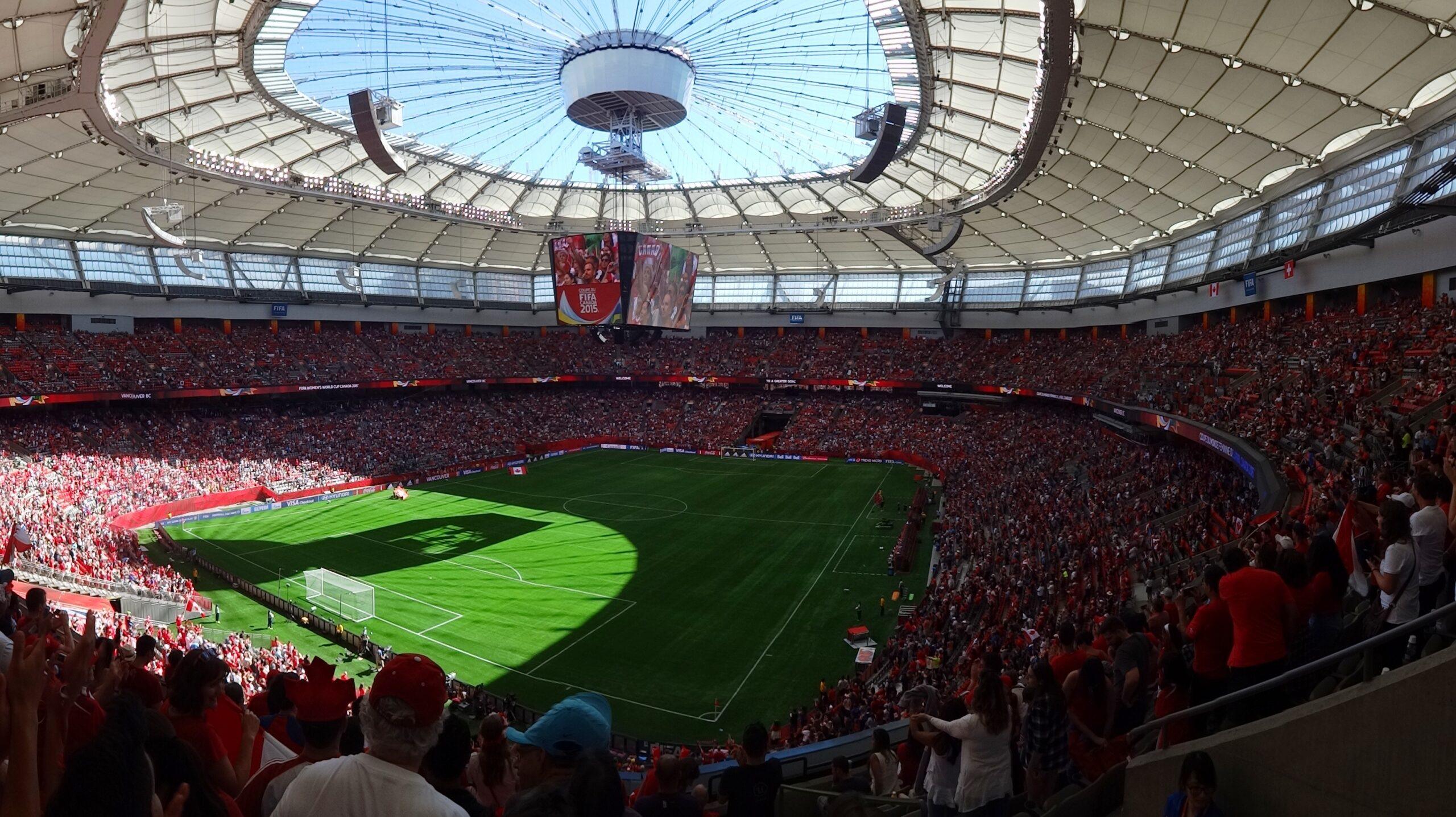
Toronto’s BMO Field and Vancouver’s BC Place are both being prepared to meet FIFA requirements, with upgrades focused on seating, media infrastructure, and fan experience zones. Each city is adapting its existing stadium rather than building entirely new World Cup venues, reinforcing the idea that Canada is scaling up what it already has.
Beyond stadiums, both cities are investing in transportation planning, hospitality expansion, and public space activation. In Toronto, this includes transit coordination and fan zones across the downtown core. In Vancouver, planning focuses on downtown mobility, waterfront activation, and efficient movement between key city areas.
While some agreements remain early-stage, both cities are aligned on a shared goal: ensuring that global visitor demand can be handled smoothly while maintaining everyday city function.
The Economic Impact Across Two Regions
The economic impact of the World Cup will be distributed across both Toronto and Vancouver, rather than concentrated in a single region. The most immediate gains will come from tourism spending, including hotels, restaurants, transportation, and entertainment, alongside increased demand for event staffing and hospitality services.
Both cities are expected to experience a surge in international visitors during the tournament window, creating short-term economic activity that flows through local businesses and service industries. At the same time, Canada benefits from long-term visibility as both Toronto and Vancouver are broadcast globally as host cities.
While some projections remain early-stage and depend on modelling assumptions, the broader expectation is that the World Cup will generate billions in global economic activity, with meaningful local impact in both host regions and a lasting boost to Canada’s tourism profile.
A Country Showing the World What Already Exists
The World Cup will bring unprecedented attention to Canada, but the most important reality is that the country is not reinventing itself for the moment.
Toronto and Vancouver do not need to “become international” for the World Cup—they already are.
What FIFA 2026 does is make that visible at scale. It turns everyday multicultural life in two already-global cities into a worldwide broadcast, where Canada is not transforming for the world, but presenting itself as it already is.
In that sense, Canada is not stepping into the world. It is showing the world what has already been built here.
Where to Catch FIFA World Cup For Canada
The central hub where Canadians can check out details and buy tickets:
Web: https://fifaworldcup26.hospitality.fifa.com/ca/en
Youtube: https://www.youtube.com/@fifa/videos
Canada Soccer – Official Site:
Web: https://canadasoccer.com/fifa-world-cup-2026/
Youtube: https://www.youtube.com/@CanadaSoccerTV