
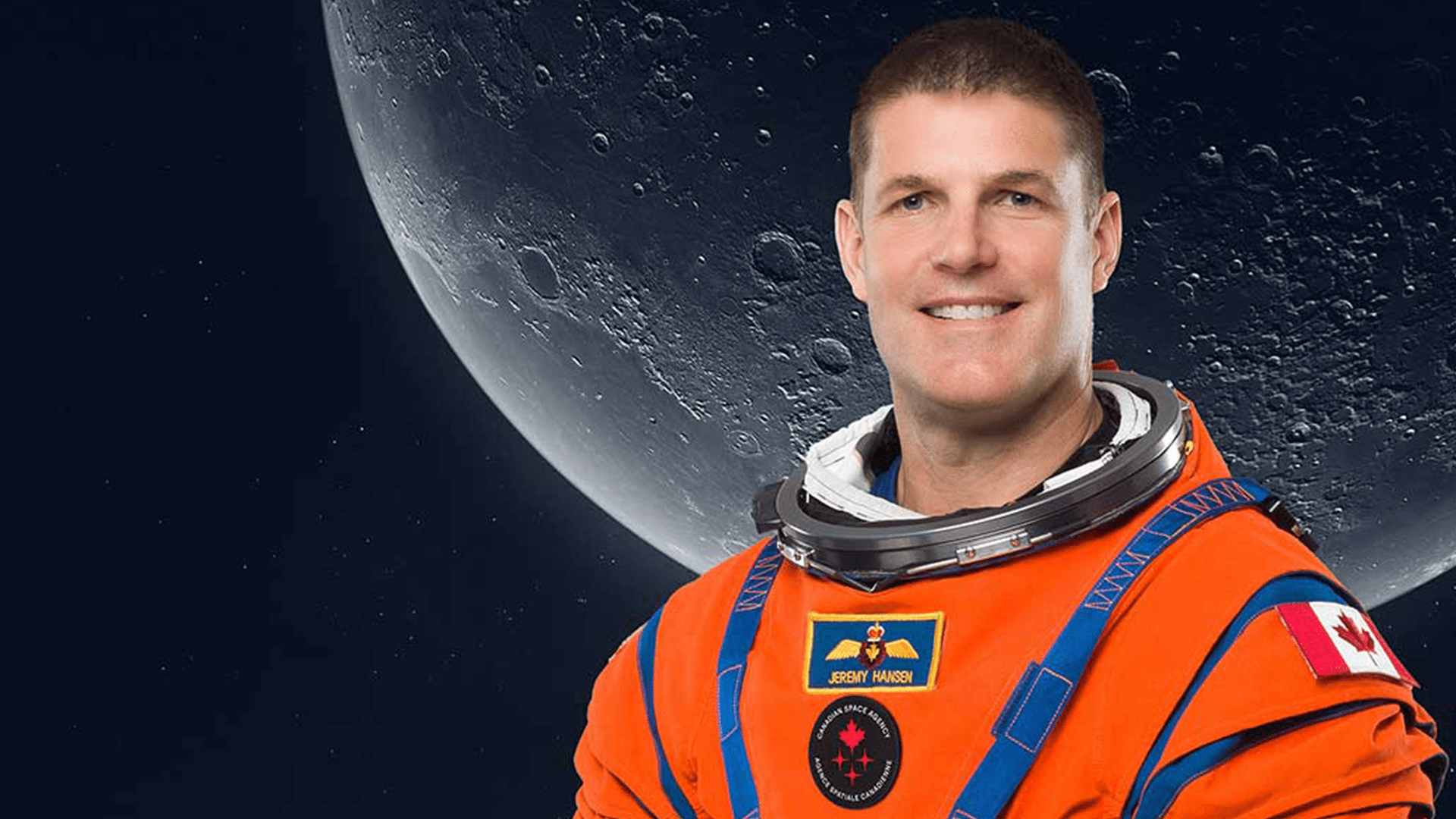
A giant leap for Canada-kind!
It has been 52 years since humans last landed on the Moon. The last moon landing was Apollo 17 in December 1972.
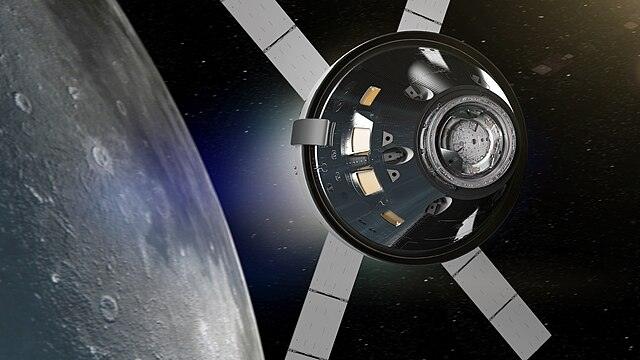
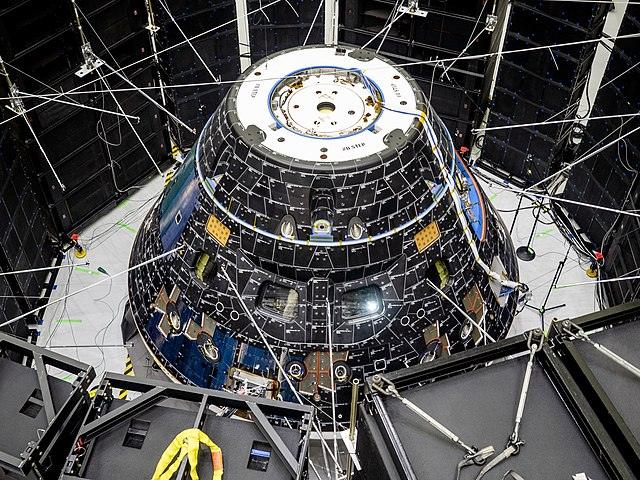
Artemis II is the first crewed mission in NASA’s Artemis program, which aims to return humans to the Moon and prepare for future missions to Mars. On this flight, four astronauts will travel in the Orion spacecraft on a journey around the Moon and back to Earth, without landing. The main purpose is to test all the systems needed to safely carry people into deep space — including life support, navigation, communications, and the spacecraft’s heat shield during its high-speed return to Earth. It will be the first time humans have gone beyond low Earth orbit since 1972.
WhenThe most recent Moon landing was Apollo 17 in December 1972.fts off, it won’t just carry four astronauts around the Moon — it will carry Canada’s place in space history with it.
For the first time ever, a Canadian astronaut will travel to lunar orbit. Jeremy Hansen will become the first non-American to journey to the Moon, marking a defining moment not only for Canada, but for international spaceflight.
This is not a symbolic seat. Canada earned its place through decades of world-leading space robotics and exploration technology — and through a quiet but powerful partnership with NASA that stretches back to the Space Shuttle era.
From Ontario Farm Fields to Lunar Orbit
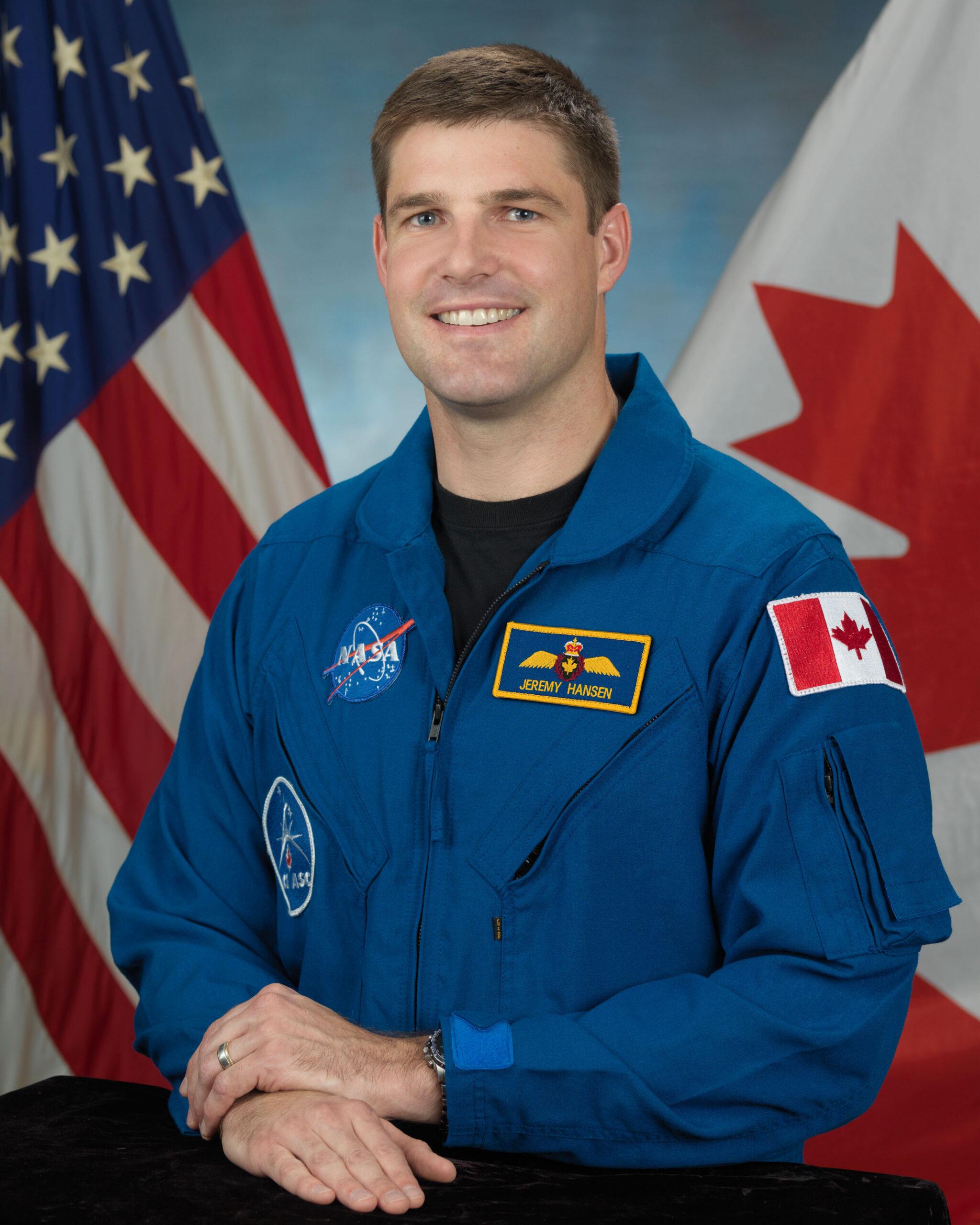
Jeremy Hansen grew up in London, Ontario, far from rockets and space capsules, but not far from ambition. He joined the Canadian Armed Forces, became a CF-18 fighter pilot, and later trained as a test pilot and aerospace engineer — a path that prepared him for extreme environments, complex systems, and high-stakes decision-making.
In 2009, Hansen was selected by the Canadian Space Agency, and soon found himself training at NASA’s Johnson Space Center alongside astronauts from around the world. While others would eventually fly to the International Space Station, Hansen was assigned to something unprecedented: a lunar mission.
Artemis II will send its crew farther from Earth than any humans in over 50 years, circling the Moon before returning home. For Hansen, it is the culmination of a lifetime of preparation — and for Canada, it is a historic first.
Why Canada Has a Seat on Artemis II
This mission is not a gift — it is a trade built on trust, performance, and innovation.
Canada’s place on Artemis II is the result of decades of technological leadership and the extraordinary qualifications of its astronaut, Jeremy Hansen. Canadian robotics — including the Canadarm, Canadarm2, and the upcoming Canadarm3 for the Lunar Gateway — have been critical to NASA missions for decades. These systems proved that Canada can deliver technology astronauts rely on to operate safely and efficiently in space, earning the country a guaranteed seat on Artemis II.
At the same time, the seat doesn’t go to just anyone. Jeremy Hansen is a fighter pilot, test pilot, and aerospace engineer with extensive NASA training. He has served as Chief of the Astronaut Corps, trained on Orion systems, and mastered deep-space mission procedures. On Artemis II, he will be a mission specialist, actively monitoring spacecraft systems, navigation, and safety. In short, it’s Canada’s technology that opened the door, but Hansen’s skill and experience that make him the right person to walk through it — or, in this case, orbit the Moon.
A First for Canada — and the World
Hansen’s flight makes history on two levels:
- First Canadian to orbit the Moon
- First non-American astronaut ever to travel to lunar space
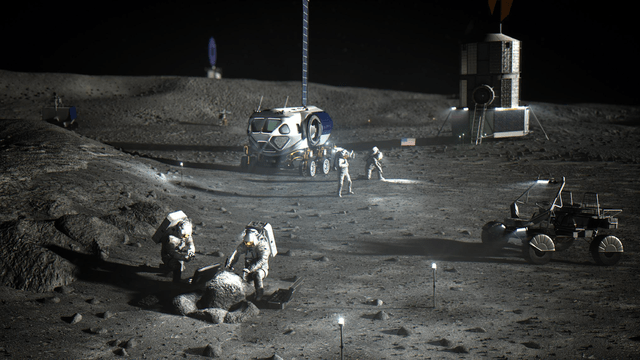
The last time humans ventured this far was Apollo 17 in 1972. Artemis II marks humanity’s return — but this time, as a global team.
Hansen will serve as a mission specialist, monitoring spacecraft systems, navigation, and performance as Orion slingshots around the Moon and returns to Earth at speeds exceeding 40,000 km/h.
More Than a Mission
For Canada, Artemis II is not just a spaceflight — it is proof that a middle-power nation can lead in global exploration through science, collaboration, and engineering excellence.
From robotic arms to lunar orbits, Canada’s story in space has always been about building what others rely on.
Now, for the first time, we are riding our own legacy all the way to the Moon.