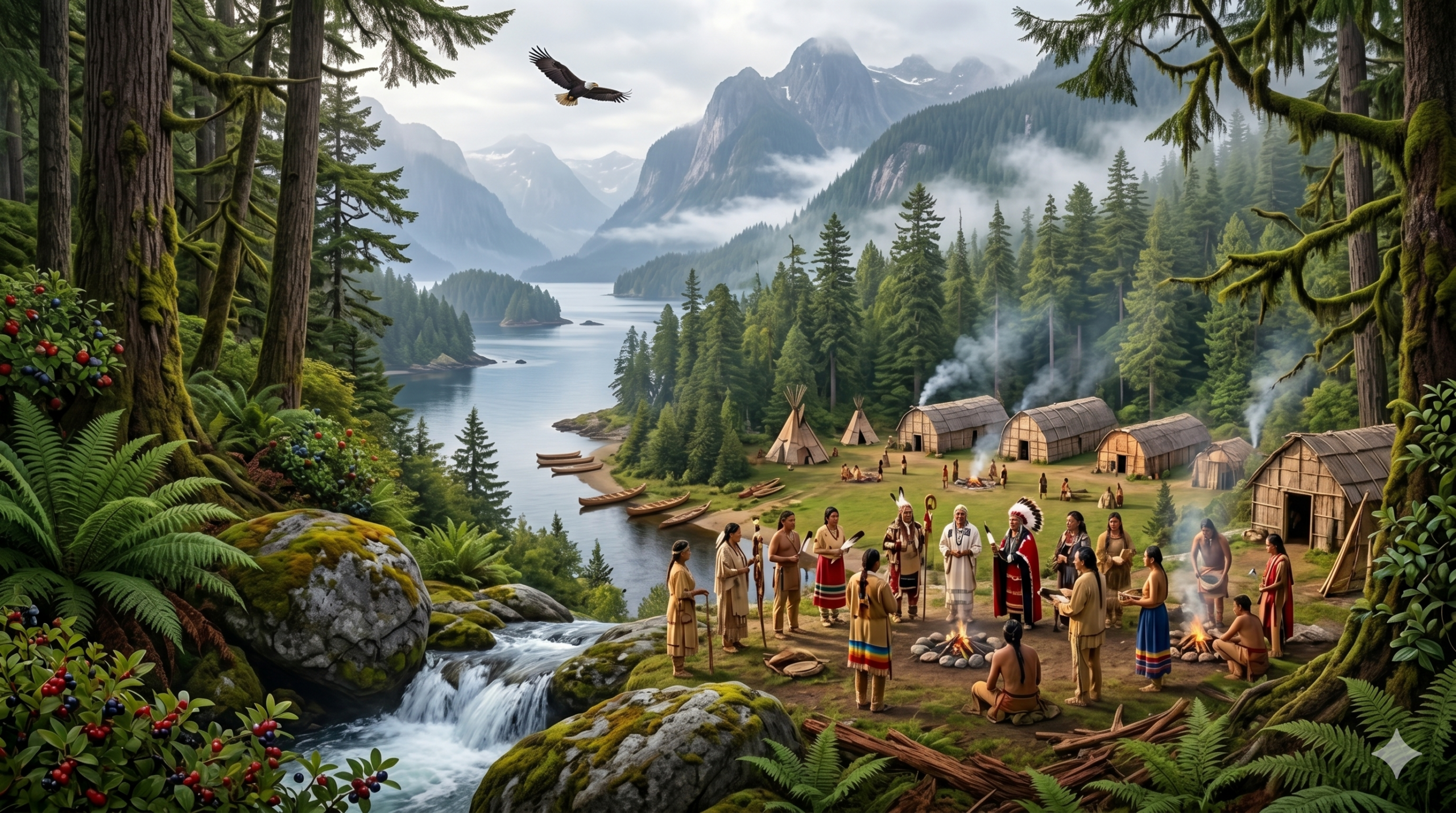
Long before Pride parades and rainbow flags became symbols of inclusion, many Indigenous cultures across what is now Canada recognized diverse identities and roles within their communities. Today, the term Two-Spirit reflects both cultural traditions and a modern effort to reclaim knowledge that was disrupted by colonization.
Learning about Two-Spirit traditions offers a broader understanding of Pride Month and highlights stories that are uniquely connected to Canada’s history.
A Perspective That Predates Canada
The term Two-Spirit was adopted in 1990 during the Third Annual Intertribal Native American, First Nations, Gay and Lesbian American Conference in Winnipeg. It was created as a way for Indigenous people to describe identities that are rooted in their own cultures and traditions.
According to the Canadian Encyclopedia, the term is intended to reflect Indigenous understandings of gender, sexuality and spirituality. It is not simply an Indigenous version of modern LGBTQ+ identities.
Not every Indigenous nation has the same beliefs or traditions. Experiences and cultural practices vary across communities, making it important to avoid viewing Two-Spirit identity as a single, universal concept.
Colonization Changed Many Traditional Practices
Before European settlement, many Indigenous societies recognized individuals who held unique social, ceremonial or spiritual roles. Some communities embraced people whose identities did not fit Western definitions of gender.
Colonial laws, residential schools and efforts to suppress Indigenous cultures disrupted many of these traditions. Over generations, knowledge that had once been openly passed down was lost or hidden.
The Government of Canada has acknowledged the lasting impacts of colonization and the importance of preserving Indigenous cultures and traditions.
The Meaning of Two-Spirit Today
For many Indigenous people, Two-Spirit identity represents a connection between gender, sexuality, spirituality and culture. It is also a way of reclaiming traditions that existed long before modern terminology emerged.
While some people identify as both LGBTQ+ and Two-Spirit, others emphasize the cultural and spiritual dimensions of the term rather than viewing it solely through a Western lens.
As awareness has grown, Two-Spirit voices have become increasingly visible during Pride Month and Indigenous cultural celebrations across Canada.
Celebrating Two-Spirit Communities Across Canada
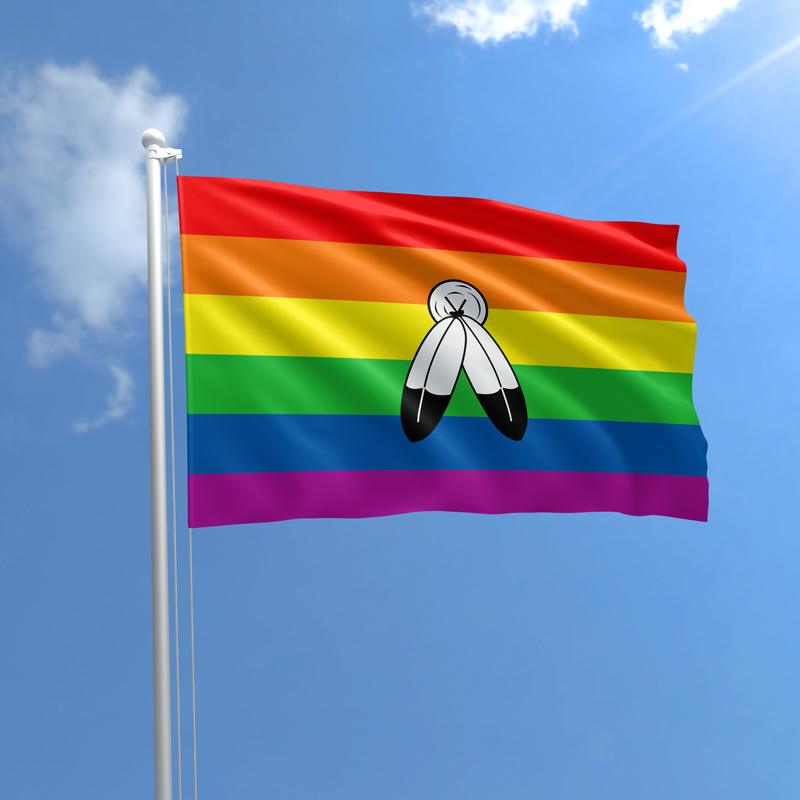
Organizations and events dedicated to Two-Spirit communities have expanded in recent decades. Groups such as 2-Spirited People of the 1st Nations, based in Toronto, provide support, education and advocacy.
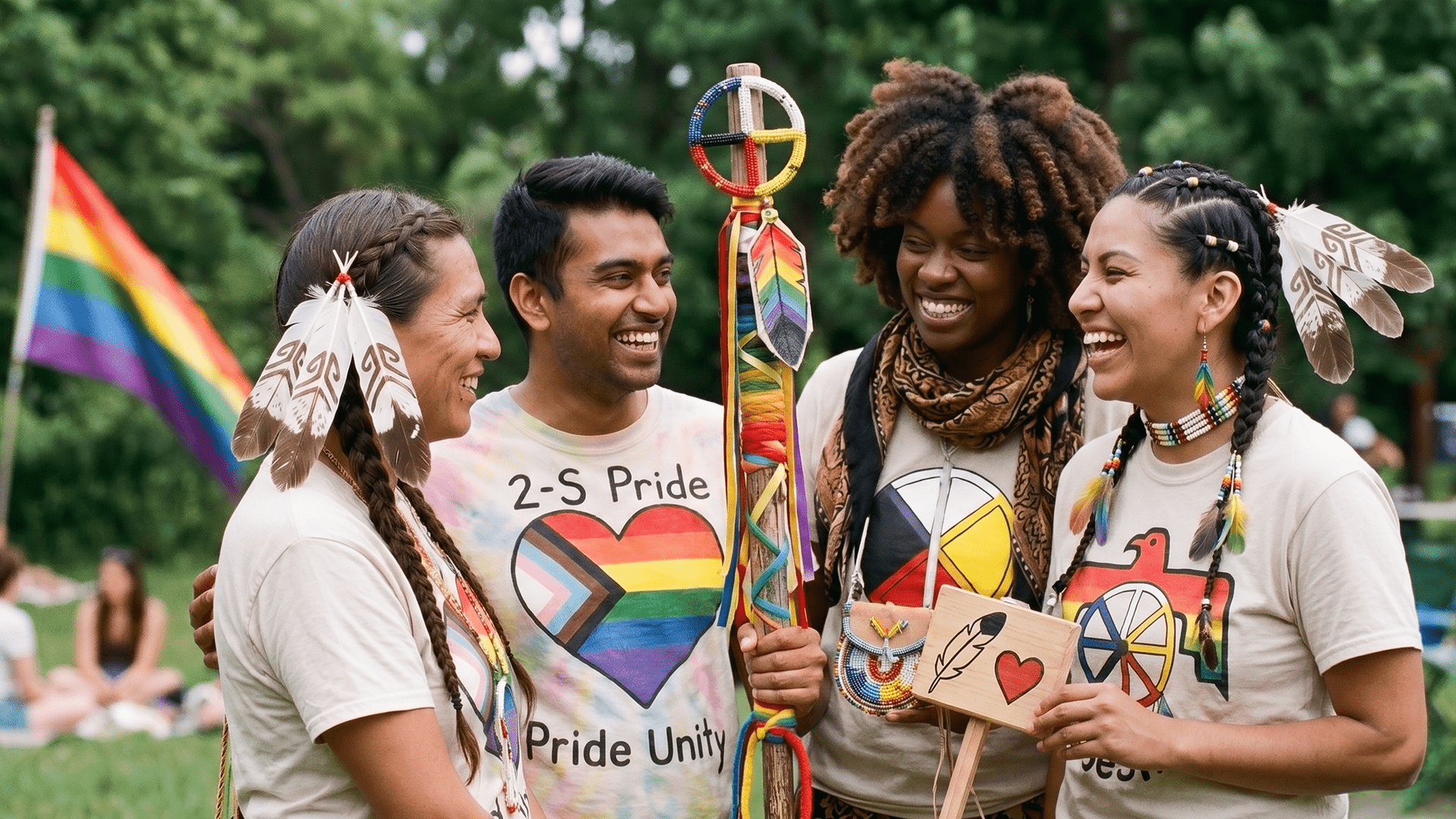
Two-Spirit gatherings, powwows and Pride events now take place in communities across the country. These celebrations create spaces where culture, identity and community come together.
While some traditions and teachings remain specific to individual nations and communities, there is growing recognition of Indigenous perspectives within Canada’s broader conversation about inclusion and reconciliation.
While these efforts continue to evolve, they reflect a wider movement to preserve culture and strengthen connections between generations.
Why These Stories Matter During Pride Month
Pride Month is often associated with milestones from recent decades, but some stories stretch back much further. Understanding Two-Spirit traditions reminds Canadians that diverse identities existed long before Confederation.
These traditions form an important part of Canada’s cultural landscape and offer a perspective that is both historic and forward-looking.
As Canadians continue to learn from one another, the inclusion of Two-Spirit voices helps ensure that Pride Month reflects the country’s many histories and experiences. In doing so, it reinforces the idea that diversity in Canada has deep roots and that many stories remain to be discovered.