Canada’s Pride celebrations are often associated with colourful parades and major milestones, but many of the events that helped shape modern Canada happened quietly or are rarely talked about today. Some took place in courtrooms, while others began with ordinary Canadians pushing for equal treatment.
Looking back at these stories offers a reminder that social progress is rarely inevitable. It often comes through years of debate, activism and gradual change.
The Bigger Picture: Canada’s Path Was Different
Compared with many countries, Canada moved relatively early on LGBTQ+ rights. While attitudes and laws evolved over decades, Canada gradually established itself as one of the world’s leaders in legal equality.
That progress did not happen all at once. Court decisions, community activism and political leadership all played a role in shaping the country Canadians know today.
Operation Soap and the Birth of Modern Pride in Toronto
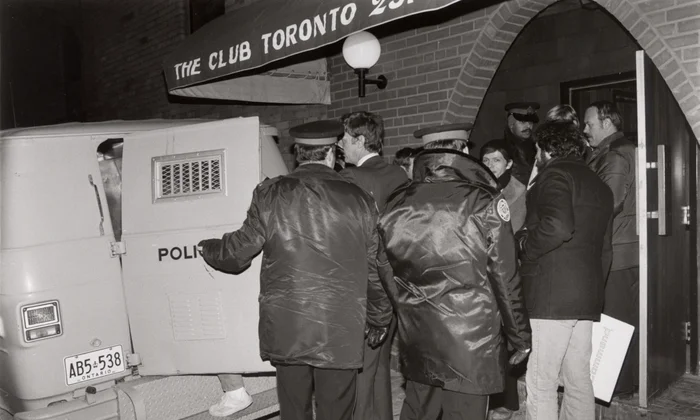
One of the lesser-known turning points came in February 1981, when Toronto police carried out raids on four bathhouses during an operation later known as Operation Soap.
Nearly 300 men were arrested, making it one of the largest mass arrests in Canada since the October Crisis. The raids sparked widespread protests and galvanized the LGBTQ+ community in Toronto.
Many historians now view the events as Canada’s equivalent of the Stonewall uprising in the United States. The protests that followed helped lay the foundation for what eventually became Toronto’s Pride celebrations.
For historical background, the events are documented on Wikipedia’s Operation Soap page.
Canada Became an Early Leader on Same-Sex Marriage
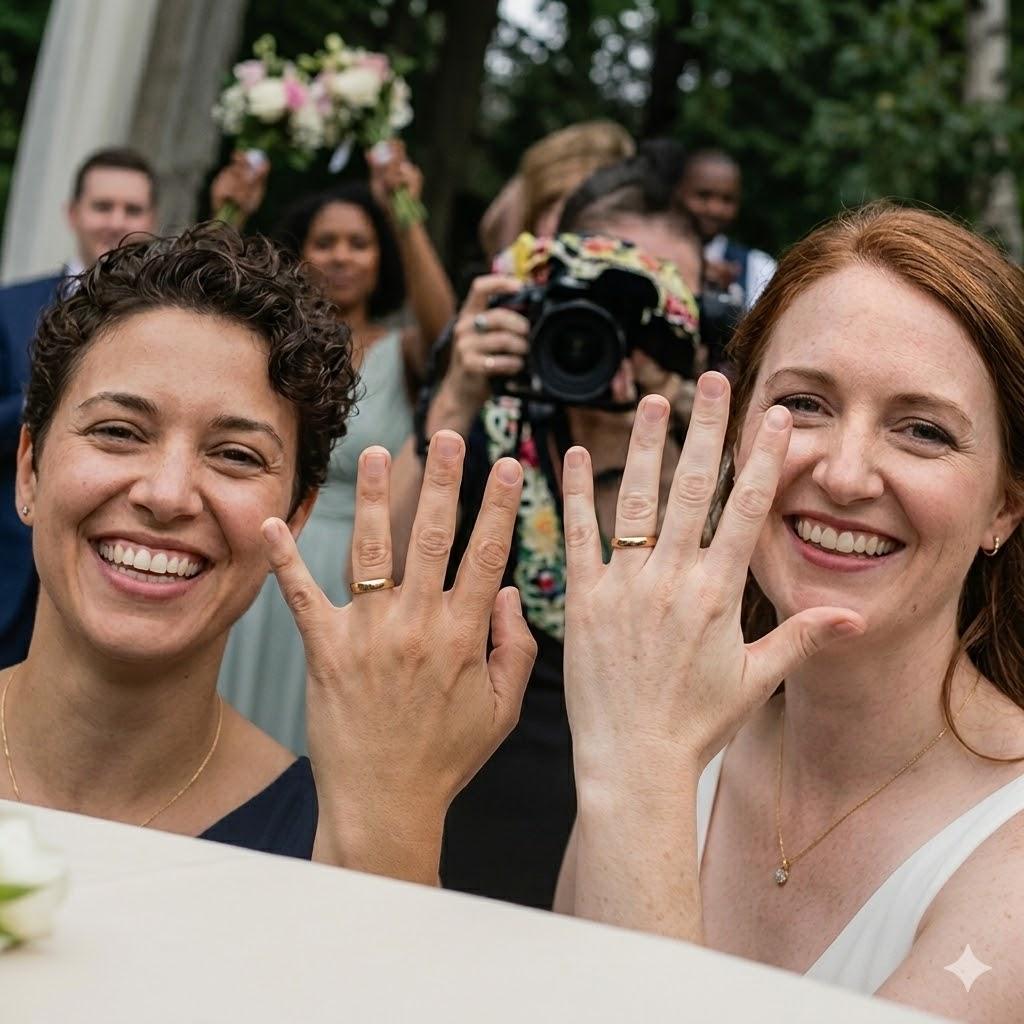
One of Canada’s most significant milestones came in 2005 with the passage of the Civil Marriage Act.
The legislation, introduced under Prime Minister Paul Martin and Justice Minister Irwin Cotler, extended civil marriage rights to same-sex couples across the country while protecting religious freedom.
Canada became the fourth country in the world to legalize same-sex marriage nationwide and the first country outside Europe to do so. Several provinces had already recognized same-sex marriage through court rulings beginning in 2003.
The Government of Canada announced the legislation in February 2005, and the Civil Marriage Act received Royal Assent on July 20, 2005.
Official records are available through the Government of Canada and the Department of Justice.
Ontario Helped Lead the Way
Before federal legislation arrived, Ontario became the first jurisdiction in North America to recognize same-sex marriage in June 2003.
The Ontario Court of Appeal ruled that limiting marriage to opposite-sex couples violated equality rights protected by the Canadian Charter of Rights and Freedoms.
The province’s legal changes helped accelerate similar decisions elsewhere in Canada and contributed to the nationwide legislation that followed.
The Ontario government maintains records of those changes through Ontario’s legislation archive.
Progress Continued Through Many Small Steps
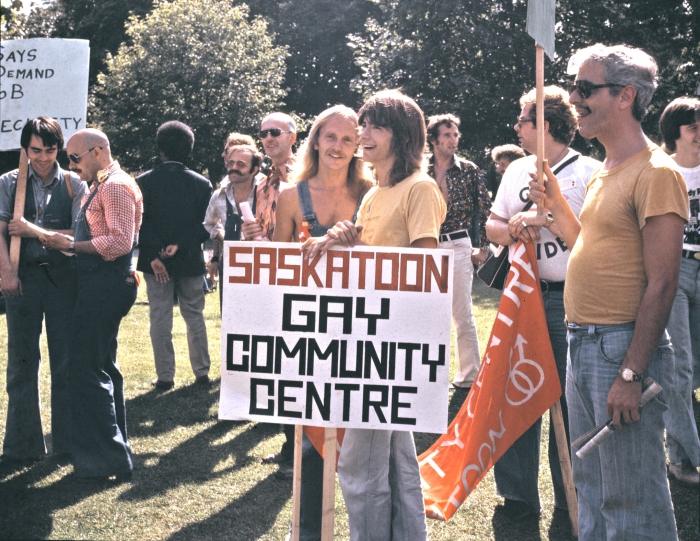
Canada’s LGBTQ+ history is often remembered through landmark events, but countless smaller stories also mattered. Community organizations, volunteers, activists and ordinary Canadians all contributed to the country’s gradual evolution.
While some debates and challenges continue today, Canada’s experience reflects a broader global trend toward greater recognition and equality.
Understanding these lesser-known moments helps explain why Pride Month is about more than celebrations. It is also about remembering the people and events that helped shape modern Canada.
As Pride Month continues, these stories offer a reminder that progress is built over time and that history is often made by people whose names never appear in headlines.